
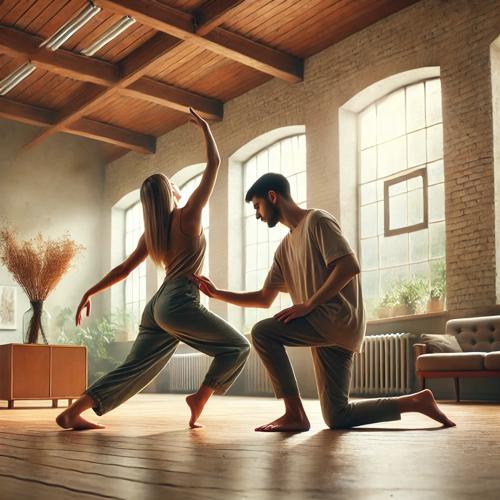
Dance/movement therapy (DMT) is a form of psychotherapy that uses movement and dance to support the emotional, cognitive, physical, and social integration of individuals. At its heart, DMT is based on the idea that the body and mind are interconnected — that how we move affects how we feel, and how we feel is expressed through how we move. Unlike traditional dance, which may focus on technique, choreography, or performance, DMT is not about how well someone can move, but about what their movement expresses and how it can facilitate healing.
The Origins and Development of DMT
The roots of dance/movement therapy can be traced back to the early 20th century, when pioneers such as Marian Chace, Mary Whitehouse, and Trudi Schoop began to explore the therapeutic potential of dance. These practitioners noticed that people often experienced emotional shifts through expressive movement, and they began to bring dance into hospital and mental health settings as a form of treatment.
Over time, DMT evolved into a recognised therapeutic discipline, integrating knowledge from psychology, physiology, somatics, and the arts. In the UK, dance movement psychotherapy is often referred to using the acronym DMP, while in the US, DMT is the more common term. Regardless of terminology, the approach continues to be shaped by both clinical research and creative exploration.
What Happens in a DMT Session?
A dance/movement therapy session can vary widely depending on the therapist’s approach, the client’s needs, and the setting. Some sessions take place one-to-one, while others are offered in groups. Some are highly structured, with specific themes or movement exercises, while others are more improvisational and client-led.
Sessions often begin with grounding exercises to help clients become present in their bodies — this might involve focusing on breath, posture, or gentle movement. From there, the therapist might invite clients to explore movement in response to a theme, an emotion, a piece of music, or even a sensation in the body.
The therapist observes and sometimes mirrors the client’s movement, creating a nonverbal dialogue. This process can bring unconscious feelings to the surface, allow for emotional release, or support the development of new ways of moving and being.
DMT is often used alongside verbal reflection. After moving, clients may be invited to speak about their experience, draw an image, or simply sit in silence to integrate what has emerged. The key is that movement becomes a way of accessing and working with psychological material in a way that words alone may not allow.
Who Can Benefit from DMT?
Dance/movement therapy can benefit people of all ages and backgrounds. It is used with children, adolescents, adults, and older adults in a variety of settings — including hospitals, schools, care homes, prisons, rehabilitation centres, and private practices.
Some people come to DMT with specific mental health diagnoses, such as anxiety, depression, PTSD, eating disorders, or schizophrenia. Others may seek support during life transitions, grief, relationship issues, or simply a desire for greater self-awareness.
DMT is particularly effective for people who struggle with verbal communication, who have experienced trauma, or who feel disconnected from their bodies. Because it works through nonverbal expression, it offers a pathway into therapy that feels less intimidating or less constrained by language.
It is also a valuable modality for people who already have a strong relationship with their bodies — such as dancers, athletes, or yoga practitioners — and want to explore that relationship in a deeper, more emotional way.
Core Principles of Dance/Movement Therapy
Although DMT encompasses a range of techniques and theoretical approaches, several core principles are consistent across the field:
DMT Compared to Other Forms of Therapy
Dance/movement therapy shares some similarities with other forms of expressive therapy, such as art therapy, music therapy, and drama therapy. All of these modalities use creativity as a means of expression and healing. DMT, however, is distinct in its use of the body as the primary tool of exploration.
Compared to talk therapy, DMT offers an experiential, somatic approach that may be especially helpful for those who feel “stuck in their heads” or struggle to articulate emotions verbally. It provides a more embodied route to insight and change.
In recent years, DMT has also found its place within the broader field of somatic psychology — a discipline that emphasises the role of the body in psychological healing. As research continues to support the benefits of body-based therapies, DMT is gaining greater recognition and integration into mental health care systems.
Training and Qualifications
Becoming a dance/movement therapist typically involves postgraduate-level study in a recognised training programme. In the UK, this is often a master’s degree in dance movement psychotherapy, with clinical placements and personal therapy as part of the training. Practitioners usually register with professional organisations such as the Association for Dance Movement Psychotherapy UK (ADMP UK).
Training includes the study of movement analysis, psychotherapy theory, ethics, anatomy, and supervised clinical practice. Therapists are also expected to continue their professional development throughout their careers, keeping their skills sharp and their practice informed.
A Pathway to Wholeness
Dance/movement therapy is not about dancing well. It is about reconnecting with the self — through gesture, breath, rhythm, and presence. It is about noticing how we inhabit our bodies, how we move through space, and what our movement says about how we feel.
Whether someone is moving through grief, exploring identity, recovering from trauma, or simply seeking a deeper connection to themselves, DMT provides a compassionate and creative space for exploration. It reminds us that healing is not just something we think our way through — it is something we live, breathe, and move through. One step at a time.
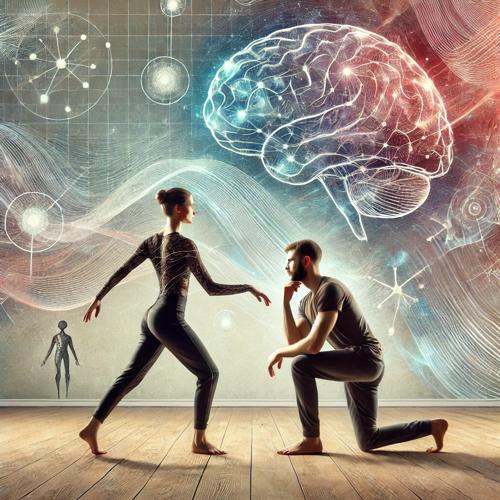
Dance/movement therapy (DMT) may appear at first glance to be a creative or expressive practice rooted in the arts — and it is. But behind its flowing gestures, improvised movement, and embodied connection lies a growing body of scientific evidence that explains why it works. Neuroscience, psychology, and physiology all offer insight into how movement can impact the brain, regulate emotions, and support trauma recovery. Understanding these mechanisms not only strengthens the credibility of DMT but also helps therapists apply it with intention and nuance.
Movement and Brain Function: An Intricate Relationship
Movement is far more than mechanical action. It involves a complex interplay between sensory input, motor output, and internal emotional states. When we move, we engage multiple areas of the brain — including the motor cortex, cerebellum, basal ganglia, and areas related to emotion and memory such as the amygdala and hippocampus.
Research shows that movement, especially when done rhythmically or in synchrony with others, activates neural pathways associated with reward, pleasure, and social bonding. Dance, in particular, has been shown to increase dopamine and endorphin levels, leading to enhanced mood and emotional resilience. This is especially relevant for individuals struggling with depression or anxiety, whose reward systems may be underactive.
Furthermore, movement enhances neuroplasticity — the brain’s ability to adapt and form new connections. In therapeutic settings, this means that new movement patterns can contribute to new emotional responses or ways of thinking. A person who habitually contracts their shoulders in fear may begin to explore more open, expansive postures in therapy, subtly reshaping both their felt experience and their internal narratives.
The Role of the Nervous System: Regulation Through Movement
At the heart of emotional wellbeing is the ability to regulate the nervous system. When the nervous system is dysregulated — stuck in fight, flight, freeze or collapse responses — it becomes difficult to think clearly, connect with others, or feel safe. Many mental health challenges involve some form of dysregulation, especially trauma-related conditions.
Dance/movement therapy engages the nervous system through somatic tracking and co-regulation. By moving, breathing, and exploring physical sensation, clients begin to shift their physiological state. For instance, slow, rhythmic movement can activate the parasympathetic nervous system, promoting calmness and restoration. Grounded, weight-bearing movement may help someone feel more stable or present.
Additionally, the presence of the therapist plays a crucial role. Through embodied attunement — responding to the client’s movement with sensitivity and care — the therapist helps the client’s nervous system feel seen and regulated. This mirrors early attachment experiences and can support the development of internal regulation over time.
Mirror Neurons and Empathy
One of the more fascinating findings in neuroscience is the discovery of mirror neurons — brain cells that fire both when we perform an action and when we observe someone else performing it. These neurons are thought to underpin our ability to understand and empathise with others.
In DMT, mirror neurons are constantly activated. When a therapist mirrors a client’s movement, the client not only sees their experience reflected but feels it validated on a neurological level. This helps build trust and deepens the therapeutic alliance. It also provides a pathway for emotional integration, as clients begin to sense that their internal states are legible, shared, and accepted.
Group dance/movement sessions further amplify this effect. Moving in synchrony with others creates a sense of unity and belonging, which can be profoundly healing for those who feel isolated or alienated. Shared movement activates both emotional and social brain circuits, reinforcing the client’s sense of connectedness.
The Limbic System and Emotional Memory
Emotions are not stored solely in our minds — they are encoded in our bodies and shaped by movement. The limbic system, particularly the amygdala and hippocampus, is responsible for emotional memory and the processing of affect. When movement engages these brain structures, it can trigger memories, surface buried emotions, or open new channels of expression.
This is especially important for trauma survivors, whose emotional memories may be nonverbal and lodged in somatic experience. DMT provides a structured and safe environment for these memories to emerge and be processed. Movements may initially arise without conscious meaning, only to later be recognised as connected to past experiences. The therapist helps contain and make sense of these moments, fostering integration and healing.
Balance Between Movement and Reflection
While movement is the primary medium in DMT, the process also involves moments of verbal reflection and emotional processing. These transitions are supported by changes in brainwave activity. For example, improvisational movement can stimulate theta brainwaves, associated with creativity and emotion, while focused reflection may increase alpha and beta waves, linked to awareness and cognition.
By moving back and forth between movement and stillness, clients engage different modes of processing. This enhances their ability to link body-based experiences with cognitive understanding, making the therapy more comprehensive and integrative.
Bilateral Movement and Brain Integration
Bilateral movement — movements that alternate or cross the body’s midline — has been shown to support integration between the brain’s left and right hemispheres. This kind of movement is often used in therapies such as EMDR (Eye Movement Desensitisation and Reprocessing) for trauma treatment.
In DMT, bilateral movement may involve reaching from side to side, walking patterns, or flowing gestures that involve both arms or legs. These movements can enhance coordination, emotional regulation, and access to memory. They also support what is sometimes referred to as “whole-brain thinking” — the ability to link logic with emotion, language with sensation.
The Power of Rhythm and Music
Music is often used in dance/movement therapy to support rhythm, evoke mood, and create structure. Neuroscientific research confirms that music engages numerous areas of the brain simultaneously — including those related to movement, memory, and emotion.
Rhythm has a powerful organising effect on the nervous system. In trauma recovery, consistent rhythmic movement can provide a sense of safety and predictability. For individuals with anxiety, synchronising breath and movement to music can slow physiological arousal and promote relaxation. In group settings, shared rhythm promotes synchrony and social bonding.
Therapists select music with care, considering its emotional tone, tempo, cultural relevance, and potential to support the client’s goals. Sometimes sessions occur without music, allowing the client’s own rhythm to emerge and guide the experience.
Scientific Support for a Creative Practice
Though it is grounded in expressive and artistic methods, dance/movement therapy is increasingly supported by scientific evidence. Studies have shown its effectiveness in reducing symptoms of depression, improving quality of life in people with chronic illness, enhancing emotional expression in people with autism, and supporting recovery in trauma survivors. Neuroimaging and physiological studies are beginning to map the specific mechanisms through which these benefits occur.
This scientific foundation strengthens the case for including DMT in integrated mental health care, while also validating what practitioners and clients have known for decades: movement heals.
Bridging the Body and Mind
Dance/movement therapy exists at the intersection of science and art, body and mind. It draws upon the latest research in neuroscience and psychology while remaining rooted in the human experience of movement. It reminds us that we are not just thinking beings but moving ones — that healing can come not only through insight but through sensation, rhythm, and connection.
In a culture that often separates body from mind, DMT offers a necessary bridge. It affirms that movement is not just a form of expression but a vital process through which we grow, connect, and heal. And with growing scientific insight, we can better understand — and appreciate — the remarkable power of movement to change the brain and touch the heart.
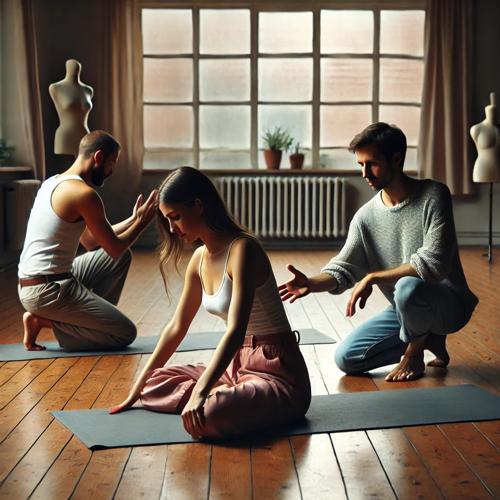
Mental health challenges can leave individuals feeling isolated, overwhelmed, or disconnected from themselves. While talk therapy and medication remain essential tools in addressing conditions such as depression, anxiety, and post-traumatic stress disorder (PTSD), they are not always sufficient on their own. Dance/movement therapy (DMT) offers a unique, body-based approach that complements traditional methods by engaging the emotional and psychological self through physical movement.
In DMT, the body becomes not just a vessel carrying symptoms, but a central participant in the healing process. Through guided movement, clients are supported in expressing feelings, releasing tension, and discovering new ways of being in their bodies and in the world.
Understanding the Body-Mind Connection
For many people experiencing depression, anxiety, or trauma, the body holds the residue of their psychological pain. This might manifest as chronic tension, restlessness, numbness, shallow breathing, or poor posture. These physical symptoms are not separate from emotional suffering but are deeply intertwined.
Dance/movement therapy addresses this connection directly. It works with the understanding that the body and mind are not separate systems but parts of a unified whole. Changes in posture, breath, or movement can influence emotional state and mental clarity. Conversely, exploring inner emotions can lead to changes in bodily expression.
By engaging clients through movement, DMT offers a route to healing that bypasses the limitations of verbal therapy, especially when words are hard to access or when cognitive approaches feel distant from the lived experience of suffering.
DMT for Depression: Moving Through Stillness
Depression often brings with it a sense of heaviness, disconnection, and inertia. The body may feel slow, collapsed, or frozen. Individuals may lose motivation to move or engage with the world. In this state, initiating even small movements can be difficult — but movement is also precisely what can begin to shift this experience.
In dance/movement therapy, work with depression often starts gently. Clients may be invited to notice their breath, explore micro-movements, or engage in rhythmic activities that reconnect them with vitality. The therapist may mirror the client’s posture to build attunement, and then slowly introduce movement variations to support emotional shifts.
The goal is not to impose energy or cheerfulness but to honour where the client is and create space for movement within that reality. Over time, clients often report feeling more grounded, more present, and more capable of accessing pleasure and agency through their bodies.
DMT for Anxiety: Finding Grounding and Regulation
Anxiety lives in the body as much as in the mind. Rapid heartbeat, shallow breath, muscle tension, and hypervigilance are common physiological symptoms. People with anxiety often feel overwhelmed by racing thoughts or a sense of being out of control.
Dance/movement therapy helps to regulate the nervous system by supporting clients to slow down, become aware of bodily sensations, and find grounding. Sessions may include breath-based movement, repetitive or rhythmic sequences, and guided improvisation that encourages release and emotional expression.
The therapist’s presence plays a crucial role in co-regulation. Through attuned movement, pacing, and responsiveness, the therapist offers a model of calm embodiment that clients can internalise. Over time, clients learn to recognise their own somatic signals and develop movement-based tools for self-regulation.
For clients with social anxiety, group DMT sessions can provide a safe and structured environment to explore interpersonal connection through nonverbal communication. Moving with others, sharing space, and building trust through synchronised activity can gently reduce isolation and build confidence.
DMT for PTSD: Reclaiming the Body and Rebuilding Safety
Post-traumatic stress often results from experiences in which the body was threatened, overwhelmed, or violated. As a result, many trauma survivors experience a disconnection from their bodies. They may avoid physical sensations, dissociate, or feel unsafe in their own skin. Traditional talk therapy can be helpful, but it may not fully address these embodied experiences.
DMT offers a trauma-informed approach that begins by re-establishing a sense of safety in the body. This might involve grounding exercises, breath work, or simple structured movement that fosters predictability and choice. The therapist helps clients recognise when they feel safe and when they don’t, and encourages them to make decisions about movement, space, and pace.
Empowerment is central to this process. Trauma often involves a loss of control; DMT works to restore a sense of agency. Clients are never pushed to move in ways they’re not ready for. Instead, they are invited to notice, reflect, and explore at their own pace.
Over time, DMT can help trauma survivors reconnect with bodily sensations, express emotions that may have been suppressed or inaccessible, and create new, healing movement narratives. Movement improvisation allows clients to shift from reenacting trauma patterns to discovering new ways of being in the world.
The Importance of the Therapeutic Relationship
Across all mental health conditions, the relationship between therapist and client is fundamental to healing. In DMT, this relationship is embodied as well as verbal. The therapist is not only a listener but a mover — someone who responds to the client with presence, empathy, and attunement.
Through mirroring, shared rhythm, and nonverbal responsiveness, the therapist creates a relational field that supports emotional expression and trust. This embodied attunement often allows clients to feel understood on a level that words alone cannot reach.
Group Dance/Movement Therapy for Mental Health
While DMT is often practiced one-to-one, group sessions can offer powerful therapeutic benefits. For individuals with depression or anxiety, groups provide a sense of belonging and shared experience. Movement synchrony, witnessing others, and co-creating movement sequences can enhance empathy, reduce isolation, and foster joy.
Group DMT sessions may include structured activities, improvisational exercises, and group reflection. The collective nature of the work supports interpersonal healing and reminds participants that they are not alone in their struggles.
An Integrative and Accessible Path
Dance/movement therapy does not replace other forms of mental health treatment but complements them. Many clients find that integrating DMT with talk therapy, medication, or other modalities enhances their overall progress. The embodied focus offers a unique and often essential dimension to healing — one that is particularly valuable for those who struggle to articulate their inner world.
For individuals who have tried other therapies without success, DMT may offer a fresh perspective and a different way in. It is particularly well-suited for those who are somatically oriented, creatively inclined, or dealing with trauma-related conditions.
Rediscovering Wholeness Through Movement
Mental health challenges can fragment a person’s sense of self. Dance/movement therapy helps to re-integrate the body and mind, emotion and expression, self and other. Through movement, clients rediscover what it means to feel alive, to be seen, and to connect — not only with others, but with themselves.
Whether someone is frozen in the grip of depression, on edge with anxiety, or seeking to reclaim safety after trauma, dance/movement therapy offers a pathway back to wholeness. It honours the truth that healing does not always begin with words. Sometimes, it begins with a breath, a sway, a step — a return to the language of the body.

There are times when words simply aren’t enough. Whether due to trauma, developmental challenges, emotional overwhelm, or language barriers, many people struggle to articulate their inner world through speech. Dance/movement therapy (DMT) offers an alternative route — one that accesses the body’s innate capacity for expression, connection, and healing. In this context, movement becomes more than physical activity; it becomes a language in its own right, allowing people to communicate what they cannot yet put into words.
The Body Speaks Before We Do
From the earliest moments of life, we communicate through movement. A newborn’s cry is accompanied by flailing limbs and clenched fists. A toddler expresses joy through bouncing or spinning, distress through turning away or freezing. Long before language is learned, the body tells stories of emotion, need, and experience.
This foundational truth is at the heart of dance/movement therapy. DMT recognises that the body carries our histories — both joyful and painful — and that it continues to express them whether or not we are consciously aware. Our posture, our gestures, the rhythm of our steps or the tension in our shoulders all speak volumes. A dance/movement therapist is trained to listen to these nonverbal messages and to help clients do the same.
When Words Are Not Available
There are many reasons why someone may find it difficult or impossible to express themselves verbally. Survivors of trauma, for instance, often experience a disconnection between their emotional experience and their verbal capacity. This is especially true for early or chronic trauma, which is frequently stored in the body rather than in conscious memory. For these individuals, talking about what happened may feel unsafe, confusing, or even impossible.
Similarly, people with autism, developmental delays, or speech impairments may struggle with spoken communication. Children may not yet have the vocabulary for complex emotions. Adults with dementia or neurological conditions may have lost access to language altogether. In each of these cases, DMT provides a means of expression that does not rely on words.
Through guided movement, clients can express grief, anger, fear, joy, or longing. They may create shapes that symbolise internal states, explore space to establish boundaries, or use rhythm to release pent-up energy. These expressions are witnessed and responded to by the therapist, creating a relational loop that validates and deepens the communication.
Movement as Relational Dialogue
One of the most powerful tools in DMT is mirroring — the therapist reflects aspects of the client’s movement in a respectful and attuned way. This might involve matching the client’s tempo, posture, or gestures. Mirroring helps the client feel seen and understood, not just intellectually but emotionally and physically.
This kind of nonverbal attunement builds trust and deepens the therapeutic relationship. For clients who have experienced neglect, rejection, or misattunement in the past, being met in movement can be profoundly healing. It demonstrates that another person is willing to enter their world, not with analysis or judgement, but with presence and empathy.
In group settings, shared movement can foster connection between participants who might otherwise feel isolated. Moving together in rhythm or sequence creates a sense of synchrony, mutual understanding, and collective expression. This is particularly powerful for people who feel alone in their experience or disconnected from others.
Symbolism and Metaphor in Movement
Like dreams or visual art, movement is rich with symbolism. A raised arm might represent reaching for something, or a need for strength. A collapse to the floor might signify surrender, exhaustion, or release. Dance/movement therapists help clients explore these metaphors, not by forcing interpretations, but by inviting reflection and curiosity.
Clients may be asked what a particular movement feels like, or what it reminds them of. Sometimes, new movement is introduced as a way of shifting stuck patterns or exploring alternative possibilities. This process helps clients connect bodily experience to emotional and psychological meaning, integrating insight on a deeper level.
Importantly, this approach respects the individuality of each client’s movement language. A gesture may carry completely different meanings for different people. The therapist’s role is not to decode or analyse, but to accompany the client in their process of discovery.
The Safety of the Nonverbal Space
For many clients, movement provides a sense of safety that verbal expression does not. Words can feel exposing, especially when past attempts to speak have been met with dismissal or harm. Movement, by contrast, is often experienced as more intuitive, private, or even playful.
Dance/movement therapy sessions are structured to provide a safe container for exploration. The therapist creates a warm, non-judgemental environment where clients are free to move at their own pace. Consent and choice are always central — no one is forced to move in any particular way, and silence or stillness are respected as meaningful expressions.
Clients may begin a session feeling uncertain or guarded. Over time, through consistent and sensitive support, they may begin to move more freely, discovering how their body wants to express what words have held back. This can lead to a profound sense of relief, clarity, or emotional release.
Movement Prepares the Ground for Words
While DMT is often helpful when words are unavailable, it can also prepare the ground for verbal reflection. As clients move and connect with their embodied experience, they may find that words begin to arise. Movement opens pathways between body and mind, helping clients articulate feelings they previously couldn’t name.
For some, this may mean transitioning into talk therapy over time. For others, it may involve combining movement and verbal processing in an ongoing way. In either case, the integration of body and language deepens the therapeutic process, allowing for healing that is both cognitive and somatic.
A Language of the Whole Self
In a world that often privileges speech and logic over sensation and feeling, DMT offers a radical shift. It reminds us that communication is not limited to words. Our bodies are expressive, intelligent, and worthy of attention. They carry not only pain, but wisdom. They are capable of telling the truth, even when the voice cannot.
Dance/movement therapy gives people permission to speak in their own language — a language of gesture, rhythm, and space. In doing so, it opens doors to understanding, connection, and transformation. When words fall short, movement steps in — a quiet, powerful messenger of the self.
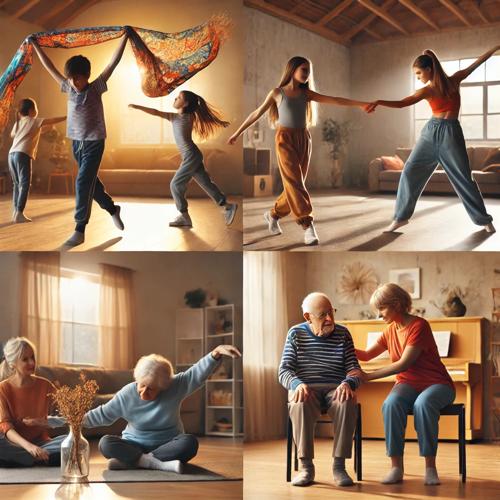
Dance/movement therapy (DMT) is a versatile and adaptive form of therapy that can support individuals at every stage of life. Whether working with young children just beginning to discover their bodies, adults navigating emotional or psychological challenges, or elderly individuals managing cognitive decline or physical limitations, DMT offers a nonverbal, embodied way to explore emotions, improve wellbeing, and foster connection. Its flexibility lies in its ability to meet people where they are — developmentally, physically, and emotionally — and offer them tools for expression, regulation, and healing through movement.
Children: Play, Imagination, and Development
For children, especially in early childhood, movement is a natural language. Long before they develop the vocabulary to articulate feelings, children express themselves through their bodies — in how they run, spin, hide, or collapse. Dance/movement therapy taps into this native form of communication, offering a space where children can explore their internal world through structured and spontaneous movement.
In therapeutic settings, DMT with children often incorporates play, rhythm, storytelling, and games. Therapists may use props such as scarves, hoops, or musical instruments to spark creativity and engage sensory systems. Movement activities are designed to support developmental milestones, build self-regulation, and increase emotional literacy.
Children who have experienced trauma, neglect, or developmental challenges may struggle with emotional expression and body awareness. DMT helps them reconnect with their physical selves, establish safe routines, and develop trust — both in their bodies and in their relationships with others. In group sessions, movement also becomes a way to explore boundaries, cooperation, and empathy in a tangible and enjoyable way.
Adolescents: Identity, Expression, and Connection
Adolescence is a time of significant change — physically, emotionally, socially, and neurologically. Teenagers often experience heightened emotions and may feel misunderstood or overwhelmed by the demands of growing up. DMT provides a non-threatening, creative outlet for expression during this tumultuous period.
Sessions with adolescents may include improvisational movement, gesture-based expression, and reflection through art or journaling. Group work can be especially beneficial, helping teens feel less isolated and more connected to peers. Movement activities also support the development of identity, allowing adolescents to explore how they inhabit their bodies and how they relate to others in space.
For young people dealing with anxiety, depression, body image issues, or trauma, DMT offers a powerful alternative to talk-based therapy. The body becomes a site of resilience and empowerment, not just a source of discomfort or shame. By learning to notice, express, and regulate bodily sensations and emotions, adolescents gain tools for navigating life’s challenges with greater awareness and confidence.
Adults: Stress, Trauma, and Self-Discovery
In adulthood, many people become disconnected from their bodies. Work, family responsibilities, and daily stress can lead to chronic tension, emotional suppression, and a disconnection from physical experience. DMT offers adults a space to slow down, listen inwardly, and reconnect with their embodied selves.
For adults dealing with anxiety, depression, trauma, grief, or relational difficulties, movement therapy provides a path to healing that bypasses the limitations of language. Traumatic memories, in particular, are often stored in the body, showing up as tightness, restlessness, or numbness. DMT allows these somatic imprints to be acknowledged, expressed, and integrated in a safe, supportive environment.
Sessions with adults may include breathwork, structured movement exploration, mirroring, and the use of imagery or metaphor. Some may involve group work, while others are individual and highly personalised. The therapist’s role is to provide a contained and attuned space where movement becomes a dialogue between body and mind.
Beyond symptom relief, DMT also supports self-discovery and personal growth. Movement can reveal patterns, habits, and emotions that have long been unconscious. As adults learn to move more freely, they often discover new ways of being — in their bodies, in relationships, and in the world.
Elderly Adults: Memory, Mobility, and Meaning
With older adults, DMT can address a range of physical, cognitive, and emotional concerns associated with ageing. From maintaining mobility and balance to reducing isolation and stimulating memory, movement therapy offers a gentle, accessible way to enhance quality of life.
Many elderly clients experience changes in mobility, whether due to arthritis, Parkinson’s disease, stroke, or general ageing. DMT adapts to these limitations, often using chair-based movement, breathwork, or simple gestures. The goal is not performance but presence — helping clients reconnect with the joy and rhythm of movement in whatever way is available to them.
Dance/movement therapy has also been shown to benefit individuals with dementia or Alzheimer’s disease. Familiar music, rhythmic patterns, and repetitive movement can stimulate memory, evoke positive emotions, and promote social engagement. Even when verbal communication declines, movement remains a vital form of connection.
Therapy sessions with elderly adults often include music, touch (when appropriate), guided imagery, and storytelling through movement. They may also offer space for reflection, life review, or grief processing. In group settings, movement creates community and combats the loneliness that so many older adults face.
Intergenerational Work: Building Bridges Through Movement
Some DMT programmes bring together different generations — children and elders, teens and adults — in shared movement experiences. These sessions build empathy, break down stereotypes, and foster community cohesion. Movement becomes a bridge across age, culture, and experience, reminding participants of their shared humanity and capacity for joy.
Intergenerational DMT can be particularly powerful in community centres, schools, or long-term care settings. It encourages mutual respect, storytelling, and collaboration, with each generation bringing its own movement wisdom to the space.
Tailoring Therapy to Life Stages
The success of DMT across the lifespan lies in its adaptability. The same core principles — attunement, expression, embodiment, and relational connection — apply at every stage of life, but are shaped by the developmental and situational needs of the client.
Therapists working across age groups must be skilled in observing developmental cues, adjusting their approach, and creating spaces that feel safe and relevant to the client’s experience. They must also be aware of the social and cultural factors that shape each life stage, from gender norms to generational trauma.
The Lifelong Relevance of Movement
Movement is our first language and, in many ways, our last. From the flailing limbs of infancy to the gentle swaying of the elderly, our bodies carry us through every chapter of life. Dance/movement therapy honours this reality by offering people of all ages a way to reconnect with themselves and others through embodied presence.
Whether it’s helping a child regulate emotions, a teenager explore identity, an adult heal from trauma, or an elder reconnect with joy and meaning, DMT offers a compassionate, responsive, and creative pathway to wellbeing. In a world that often encourages disconnection from the body, it gently reminds us that healing begins not with words, but with movement.

Dance/movement therapy (DMT) does not occur in isolation. It is always rooted in culture, shaped by community, and informed by the social and historical contexts of both therapist and client. While DMT may focus on the individual’s internal experience, it is deeply influenced by collective traditions, movement languages, and cultural narratives. Recognising and integrating the cultural and community aspects of dance/movement therapy is vital not only for ethical practice but for ensuring that therapy is relevant, accessible, and truly healing.
The Cultural Roots of Movement
Every body moves within a cultural context. Our gestures, postures, rhythms, and spatial habits are shaped by the communities we live in, the traditions we inherit, and the environments we navigate. Dance forms across the world reflect the values, histories, and stories of their people. From the fluid arm movements of traditional Thai dance to the grounded footwork of West African styles, each culture carries its own embodied knowledge.
In DMT, acknowledging these roots means recognising that movement is never neutral. A gesture that feels expansive in one context may feel inappropriate or even threatening in another. A therapist trained primarily in Western movement frameworks must be cautious not to impose these onto clients from different cultural backgrounds. Instead, the therapist must learn to attune to the client’s own movement language and cultural expression.
For example, a client from a collectivist culture may express themselves more easily in group synchrony than in solo improvisation. Others may find healing in movement rituals passed down through generations, or through music that connects them to their ancestry. DMT that honours these cultural expressions becomes a way of reconnecting clients with their roots, identity, and sense of belonging.
The Therapist’s Cultural Lens
Just as clients bring their cultural context into therapy, so too do therapists. A therapist’s assumptions, preferences, and even ways of interpreting movement are shaped by their own background. Reflecting on this is crucial to practising with cultural humility. This involves being open to not knowing, being willing to learn from the client, and continually examining one’s own position in relation to power, privilege, and bias.
For instance, a therapist may unconsciously value expressive, expansive movement and interpret stillness or minimal motion as emotional suppression. But in some cultures, restraint in movement is a sign of respect, maturity, or composure. Without cultural awareness, misinterpretations like this can lead to disconnection or misattunement.
DMT training programmes are increasingly incorporating teachings on cultural sensitivity and anti-oppressive practice. However, true cultural competence is not a fixed achievement — it is an ongoing practice of listening, learning, and being responsive to each client’s unique social identity.
Movement as Collective Expression
Dance is often a communal act. In many cultures, people gather to dance in celebration, in mourning, in protest, or in ritual. These group movements foster connection, shared identity, and emotional release. Dance/movement therapy can draw on this collective aspect of dance to support clients who are isolated, marginalised, or healing from community-level trauma.
Group DMT sessions can offer a microcosm of community where individuals experience belonging, co-regulation, and creative collaboration. Movement synchrony — the act of moving in time with others — has been shown to increase feelings of trust, empathy, and social cohesion. In a therapeutic setting, these experiences can be profoundly healing.
DMT is also used in post-conflict or post-disaster settings to rebuild social fabric and restore a sense of agency. In such cases, movement becomes a way of processing collective grief or fear, reconnecting with others, and reclaiming joy.
Traditional and Indigenous Healing Practices
Across the world, traditional and indigenous practices have long used dance as a means of healing. These may include trance dances, initiation ceremonies, or community storytelling through movement. While dance/movement therapy as a professional discipline has Western origins, it can learn a great deal from these traditions — not to appropriate them, but to honour their wisdom and recognise their place in the wider field of healing.
Some dance/movement therapists are actively engaged in dialogue with indigenous communities, exploring how to respectfully collaborate or incorporate elements of traditional movement in culturally informed ways. Others work within their own cultural heritage, bringing forward movement rituals that are personally and communally meaningful.
It is important that such integrations are done with care, respect, and consent. Therapists must avoid extracting practices without context or using sacred forms inappropriately. The focus should always be on supporting the client’s connection to their own cultural identity, not on expanding the therapist’s toolkit.
Accessibility and Inclusion in Practice
Cultural and community considerations also extend to questions of access. Who can afford or access dance/movement therapy? Where is it offered, and in what languages? What bodies are represented in promotional materials or training programmes?
Historically, DMT — like many forms of psychotherapy — has been more available to certain demographics, often white, middle-class, and Western-educated. Expanding access means offering therapy in community centres, schools, and other non-clinical settings. It means training therapists from diverse backgrounds and recognising different ways of knowing and healing.
Inclusive DMT also recognises that not all clients move in the same way. Disability, age, neurodivergence, and chronic illness all affect how a person experiences movement. An inclusive therapist adapts sessions to accommodate different bodies and communication styles, ensuring that everyone can participate meaningfully.
The Power of Community-Centred Work
Dance/movement therapy does not always have to happen in a quiet therapy room. Some of the most vibrant and transformative work happens in community settings — in circle dances, in movement workshops, in activist spaces. Here, the lines between therapy, education, art, and social change begin to blur.
Therapists who work in community contexts often take on roles as facilitators, educators, or advocates. They may lead movement groups that focus on empowerment, body image, intercultural dialogue, or trauma recovery. These groups can offer a space where people feel seen, heard, and valued — not just as clients, but as part of a living, moving community.
Community-based DMT can also be a tool for resilience in marginalised groups. Movement can offer a form of resistance, a way of reclaiming the body, and a path to joy even in the face of hardship. These spaces are as much about connection and expression as they are about therapy in the traditional sense.
A Living, Moving Tapestry
The cultural and community aspects of dance/movement therapy invite us to see the work not just as a clinical intervention, but as part of a living, moving tapestry of human expression. Every session carries echoes of ancestry, community, and the broader world in which both therapist and client live.
By engaging with culture and community, DMT becomes not just more effective, but more human. It honours the complexity of identity, the richness of tradition, and the fundamental need for connection. It invites both therapist and client to move not only as individuals, but as part of something greater — a collective rhythm, a shared dance, a story that is still unfolding.
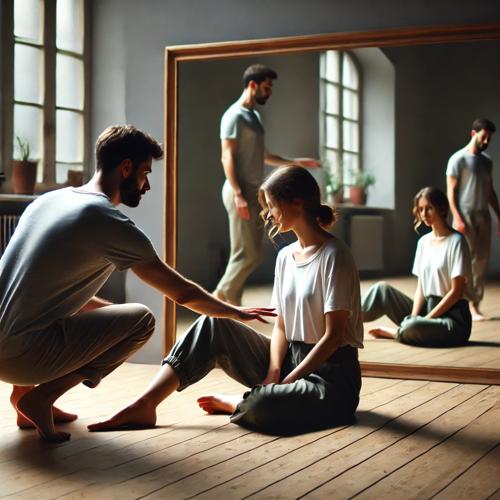
Dance/movement therapy is unique among psychotherapeutic disciplines in that the therapist’s own body is not only a tool for observation, but also a vessel for communication, empathy and presence. Unlike traditional talk therapy, where much of the therapeutic relationship unfolds through dialogue, dance/movement therapy operates in the realm of the body — a non-verbal, visceral space where subtle cues, unconscious expressions and shared movement experiences can speak volumes. This makes the therapist’s own embodied awareness an essential part of the therapeutic process.
The Body as Instrument
In dance/movement therapy, the therapist's body is not neutral. It is an instrument for sensing, responding and relating. Just as a musician must tune their instrument, the DMT practitioner must attune to their own bodily state. How the therapist breathes, holds tension, mirrors the client, or maintains physical boundaries can all influence the therapeutic dynamic.
Before even beginning a session, the therapist may take a moment to centre themselves — noticing their breath, their posture, the weight of their feet on the floor. This act of grounding helps create a stable internal environment, allowing the therapist to be fully present and responsive rather than reactive.
Therapists who are attuned to their own bodies are better able to detect the nuanced shifts in energy, emotion and physicality that clients express. These might appear in the form of subtle gestures, changes in rhythm, movement hesitations, or posture. A therapist who is embodied can receive this information without intellectualising it, and instead, respond with empathy that is felt rather than spoken.
Embodied Countertransference
One of the most significant aspects of a therapist’s embodied awareness is the phenomenon of countertransference — the emotional or physical responses a therapist experiences in relation to the client. In traditional psychotherapy, countertransference is often discussed in terms of emotional responses such as frustration, protectiveness or discomfort. In DMT, countertransference may also be experienced somatically.
A therapist might notice their chest tightening as a client speaks, or find themselves unconsciously mirroring a client’s rigid posture. These embodied responses can offer powerful clues about the client’s inner world, especially when the client is not yet able to articulate their experience verbally.
For example, if a therapist consistently feels drained or physically heavy in the presence of a particular client, this may reflect the emotional burden the client is carrying — or perhaps a resistance in the therapeutic process. Rather than reacting impulsively, the embodied therapist becomes curious about these sensations, using them as data to inform the therapeutic direction.
Of course, it’s essential that therapists distinguish between their own material and what is emerging in response to the client. Regular supervision and personal therapy are vital in maintaining this clarity. Through these processes, the therapist can explore their own triggers, histories and patterns that may surface in the work.
The Ethics of Embodied Practice
Because the body is so central to the therapeutic encounter in DMT, issues of boundaries and ethical awareness are especially crucial. The therapist’s presence must be both open and boundaried, warm yet professional. Clients may be highly sensitive to proximity, movement cues, or touch, depending on their histories and needs. It is therefore the therapist’s responsibility to ensure that physical boundaries are communicated clearly and maintained respectfully.
Touch, if used, must always be consensual, clinically justified and in line with the ethical guidelines of the professional body. Many DMT practitioners choose not to use touch at all, relying instead on movement mirroring, spatial dynamics and energetic presence to foster connection. When touch is incorporated, it is done with careful attention to safety and meaning.
The therapist’s body also communicates availability, containment and attunement. The way a therapist enters the space, the way they sit or stand, even the rhythm of their movements can convey a great deal to a client. These nonverbal cues must be used with care, ensuring they support the therapeutic goals and not the therapist’s unconscious needs.
Movement Mirroring and Resonance
One of the most powerful embodied tools a DMT practitioner uses is movement mirroring. This involves reflecting a client’s movement in a way that affirms, deepens or explores their expression. Mirroring can validate a client’s experience, build trust, and create a sense of being seen. It can also offer new perspectives — for example, by exaggerating a movement slightly or introducing variation, the therapist might invite the client to explore new ways of moving and feeling.
To mirror effectively, the therapist must be deeply present in their own body, capable of tracking both their own sensations and those of the client. This dual awareness requires practice and discipline, as well as a comfort with spontaneity and improvisation.
Beyond mirroring, therapists also engage in movement resonance — the subtle, shared rhythms and energies that emerge when two people move in synchrony or in attuned contrast. This resonance creates a powerful sense of relational depth and can often lead to moments of insight or emotional release.
Embodiment as a Lifelong Practice
For the dance/movement therapist, embodiment is not a skill that is mastered once and for all. It is a lifelong practice of self-reflection, movement exploration and self-care. Therapists must tend to their own bodies with the same compassion and curiosity they offer their clients. This might include engaging in their own movement practices, attending workshops, or seeking supervision that incorporates somatic reflection.
The body holds the stories, tensions and triumphs of a therapist’s own life, and these will inevitably influence how they relate to clients. Rather than striving for perfection, therapists aim for awareness — recognising when their own material is present, and using that awareness to strengthen the therapeutic relationship.
Embodiment also means acknowledging the social, cultural and political dimensions of the body. A therapist’s body is not seen in a vacuum; it is perceived through the lens of race, gender, age, ability and more. These aspects can shape the therapeutic dynamic in complex ways. An embodied therapist is one who reflects on these realities, acknowledges their impact, and works towards creating inclusive and responsive therapeutic spaces.
The Body as Guide, Mirror and Messenger
In dance/movement therapy, the therapist’s body is far more than a background presence. It is a guide that senses, a mirror that reflects, and a messenger that responds. Through conscious embodiment, the therapist becomes a finely tuned instrument of support, capable of holding space for clients in ways that transcend words.
This embodied presence is not performative — it is authentic, grounded and relational. It allows the therapist to meet the client in the immediacy of the moment, to listen with their whole being, and to offer interventions that arise not just from theory, but from lived connection.
By staying present in their own body, the dance/movement therapist invites the client to do the same. Together, they move toward healing — not just through insight, but through sensation, rhythm, and the rediscovery of safety and aliveness in the body.
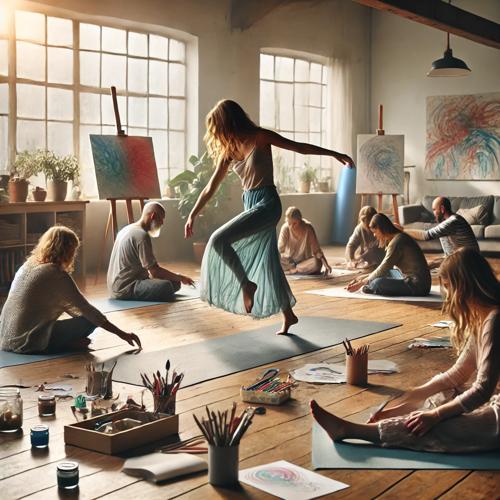
In the evolving landscape of mental health and wellness, the integration of different therapeutic modalities has become increasingly valuable. Dance/movement therapy (DMT), with its focus on the body as a central medium of expression and healing, lends itself beautifully to interdisciplinary collaboration. Whether it's through the synergy of art therapy, the mindfulness of yoga, or the introspection of talk therapy, DMT can be enriched by — and can enhance — other approaches. These integrations offer clients more personalised and layered experiences that cater to their unique ways of processing and healing.
The Value of Integration
At its core, integration in therapy acknowledges that individuals experience life and healing in multidimensional ways. No single method suits everyone, and combining different modalities allows for greater flexibility and nuance. DMT brings an embodied perspective to psychological work, often addressing issues that verbal therapies alone may not reach. When this embodied awareness is combined with cognitive, creative, or spiritual practices, clients can engage with themselves on multiple levels.
Dance/Movement Therapy and Art Therapy
Art therapy and DMT share many philosophical and clinical underpinnings. Both are expressive arts therapies that prioritise the process of creation over the final product. They also both tap into the unconscious through nonverbal channels, making them especially powerful for people who have difficulty articulating emotions.
When used together, these therapies can create a rich sensory and emotional landscape. A session might begin with movement to access feelings held in the body, followed by visual art to capture or explore those feelings in a different medium. This combination allows clients to track internal shifts and build bridges between bodily experience and symbolic representation.
Art can also serve as a grounding tool after intensive movement. Conversely, dance can bring vitality to what emerges through drawing or painting. Together, they form a dialogue between form and flow, stillness and action.
Dance/Movement Therapy and Yoga
Yoga and DMT overlap in many ways, especially in their attention to breath, bodily awareness, and the connection between physical and emotional states. Yoga, particularly when approached as a therapeutic or trauma-informed practice, supports nervous system regulation and encourages presence in the body — key aspects of DMT as well.
Integrating yoga into a DMT session might involve starting with breathwork or simple postures to help clients settle into their bodies before exploring movement improvisation. Some therapists alternate between structured yoga practices and more open-ended movement to support clients in finding their own rhythms.
While yoga offers discipline and internal focus, DMT introduces spontaneity and interpersonal connection. Together, they offer a balanced container for healing that includes both stability and freedom.
Dance/Movement Therapy and Talk Therapy
Talk therapy remains one of the most widely used forms of psychological support, and for good reason. It helps individuals explore thought patterns, gain insight, and develop coping strategies. However, there are times when verbal processing is limited, especially in cases of trauma or deep emotional dysregulation. This is where DMT can provide access to pre-verbal or non-verbal material stored in the body.
In an integrated setting, talk therapy and DMT can be used in tandem. A therapist might begin with verbal check-in, then move into movement exploration, followed by verbal reflection. This sequence allows clients to process experiences on both embodied and cognitive levels. Movement often brings up emotions or memories that clients can then discuss in greater depth, enhancing the therapeutic dialogue.
There are also collaborative models where a dance/movement therapist and a talk therapist co-facilitate sessions, offering clients the benefit of two lenses. Such integrative work can deepen understanding and accelerate therapeutic outcomes.
Dance/Movement Therapy and Drama Therapy
Drama therapy, like DMT, is rooted in expressive arts and often involves role-play, storytelling, and improvisation. The body plays a central role in both approaches, making their integration quite seamless. In sessions that combine the two, movement can be used to embody characters or emotions, giving physicality to psychological themes.
A person might, for example, explore a particular inner conflict through gesture, then develop it into a dramatic scene. Or, a movement sequence might become the foundation for a monologue or improvised dialogue. This interplay between physical and narrative expression can be particularly powerful for working through identity, relational issues, or past trauma.
Dance/Movement Therapy and Music Therapy
Music is often a natural partner to dance, and in therapeutic settings, the two can create powerful shifts in mood and emotional expression. Music therapy may involve listening, playing instruments, or creating soundscapes that support emotional exploration. When integrated with DMT, it allows clients to move in response to live or recorded music, deepening the emotional resonance of their movement.
A music therapist and a dance/movement therapist might co-facilitate sessions, tuning in to the emotional energy of the room and responding in real time. The rhythm and tone of the music can guide movement, while the movement, in turn, might influence the choice or style of music. This dynamic interaction fosters spontaneity and connection, helping clients to feel seen and heard on multiple sensory levels.
Holistic and Client-Centred Practice
What makes integration truly effective is its responsiveness to the client. No two people will engage with movement, sound, image, or language in the same way. An integrated therapist is attuned to these differences and able to adjust their approach based on the client's preferences, goals, and emotional state.
Some clients may initially feel resistant to movement but respond well to visual arts or storytelling. Others may struggle with talking but find relief and clarity in movement. The key is flexibility and presence — being able to meet the client where they are and offer a range of expressive tools.
Therapists trained in multiple modalities or working in interdisciplinary teams are well-positioned to offer this kind of responsive care. Supervision and collaboration are essential, as is an ongoing commitment to professional development. Ethical practice also demands clarity about roles and boundaries, especially when combining methods with different frameworks or outcomes.
Creative Expansion and Professional Growth
For dance/movement therapists, exploring other modalities can be a source of inspiration and professional growth. Training in art therapy, mindfulness, psychodrama, or somatic experiencing can bring new dimensions to their work. These additional skills not only enrich client sessions but also open up new opportunities for employment, collaboration, and innovation.
Workshops, certificate programmes, and interdisciplinary conferences are excellent spaces to learn from other modalities. Co-facilitating groups with practitioners from different backgrounds can also be eye-opening, as each discipline brings its own language, techniques, and theoretical underpinnings.
Ultimately, integrating DMT with other modalities is about broadening the possibilities for healing. It acknowledges that the human psyche is not neatly compartmentalised — our thoughts, emotions, sensations, memories, and expressions are deeply intertwined. When therapy honours this complexity by bringing together multiple ways of knowing and expressing, it becomes more holistic, more inclusive, and more powerful.
A Richer Tapestry of Healing
The integration of dance/movement therapy with other therapeutic approaches reflects a broader shift towards holistic and client-centred care. Whether paired with art, music, yoga, or dialogue, DMT contributes a vital thread to the healing process — one that grounds psychological work in the lived experience of the body.
As our understanding of mental health deepens, so too does our appreciation for the diverse ways people experience and express their inner world. Dance/movement therapy, when woven with complementary practices, helps create a rich and responsive tapestry of support that honours the whole person — mind, body, and soul.
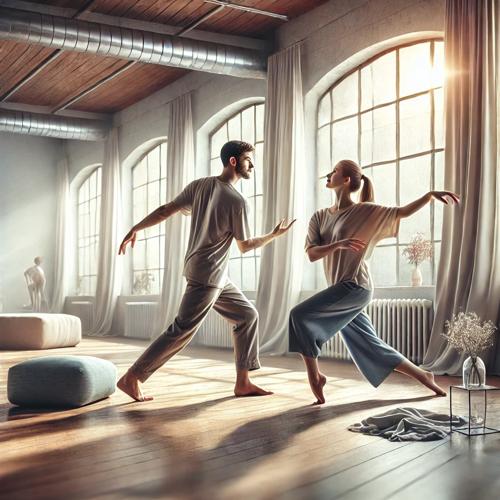
Dance/movement therapy (DMT) is a powerful and unique field that combines the creative, expressive potential of movement with the clinical framework of psychotherapy. For those drawn to the therapeutic arts, and particularly to the healing potential of the body, DMT offers a compelling career path. But like any specialised practice, becoming a qualified and effective dance/movement therapist requires structured training, a deep commitment to personal development, and a nuanced understanding of both movement and mental health.
Understanding the Role of a Dance/Movement Therapist
Before exploring the path to becoming a practitioner, it’s important to clarify what a dance/movement therapist actually does. At its core, DMT uses body movement as a means of emotional expression, self-discovery, and healing. Therapists work with individuals or groups, using guided movement, improvisation, and sometimes structured dance to support emotional integration and psychological growth.
A DMT session might involve gentle mirroring of movement to foster connection, inviting clients to express feelings through gesture, or working with the breath and posture to explore underlying tension. The work is grounded in clinical psychology, meaning therapists are trained not only in movement and expression, but in therapeutic theory and ethics too.
Educational Requirements and Training Pathways
The training requirements for becoming a dance/movement therapist vary slightly depending on the country, but there are some core elements that remain consistent internationally.
In the UK, most DMT training is at postgraduate level. Typically, this involves completing a Master’s degree in dance movement psychotherapy or a related subject from a recognised institution. Courses are usually two to three years in length and combine academic study with clinical placements. These programmes are often regulated or aligned with professional bodies such as the Association for Dance Movement Psychotherapy UK (ADMP UK).
In the United States, prospective therapists usually pursue a Master’s degree approved by the American Dance Therapy Association (ADTA), or they complete an alternate route which combines academic study, movement training, and supervised clinical practice. The ultimate goal is to achieve credentials such as R-DMT (Registered Dance/Movement Therapist) and later BC-DMT (Board Certified).
In all cases, the training is multidisciplinary. Students study movement observation and analysis (such as Laban Movement Analysis or Kestenberg Movement Profile), clinical skills, psychological theory, anatomy and somatic awareness. Practical experience in supervised clinical placements is a crucial part of the learning process, giving students real-world exposure to therapeutic work with a variety of client populations.
Personal and Professional Qualities
While academic and clinical training are essential, there are also personal qualities that are key to a successful career in DMT. These include empathy, strong boundaries, a deep respect for nonverbal communication, and a commitment to ongoing personal reflection.
Many dance/movement therapists come from backgrounds in dance, theatre, or body-based disciplines like yoga or somatic therapy. However, professional dance training is not always a requirement. What is vital is a sensitivity to the body as a source of communication and an openness to exploring both one's own movement patterns and those of others.
Because the work can be emotionally intense, it’s also important for practitioners to be grounded in their own therapeutic process. Most training programmes require students to engage in personal therapy throughout their studies, which helps build emotional resilience and ethical self-awareness.
Accreditation, Registration and Ethical Practice
After completing formal training, dance/movement therapists typically register with a professional body. In the UK, this might be ADMP UK, and therapists may also register with the Health and Care Professions Council (HCPC), depending on the qualification. In the US, registration with the ADTA is the norm.
Membership with a professional organisation signifies adherence to ethical codes of practice, ongoing professional development, and a commitment to client wellbeing. It also often provides access to supervision networks, insurance advice, and job listings.
Continuing professional development (CPD) is expected throughout a therapist’s career. This may include attending workshops, retreats, advanced trainings, or engaging in peer supervision. Ethical practice also involves regular supervision and a commitment to addressing issues of power, inclusion, and cultural sensitivity within therapeutic work.
Career Opportunities and Work Settings
Dance/movement therapists work in a wide range of settings. These include hospitals, mental health clinics, schools, hospices, care homes, community centres, private practices, and rehabilitation centres. They may work with individuals dealing with depression, anxiety, eating disorders, developmental delays, trauma, neurological conditions, or chronic illness.
Group work is especially common in DMT, allowing participants to explore connection, mirroring, boundary-setting, and expression within a shared space. Therapists may also collaborate with other professionals such as occupational therapists, psychologists, teachers, and social workers.
Some dance/movement therapists specialise in certain populations, such as children with autism, survivors of domestic abuse, or elderly individuals with dementia. Others may build private practices, offering 1:1 sessions, workshops, or retreats, often integrating other modalities such as somatic experiencing, expressive arts, or mindfulness-based movement.
Building a Private Practice
For those interested in working independently, building a private DMT practice requires not only clinical skills, but also entrepreneurial ones. This includes marketing, managing bookings, creating a business structure, and ensuring appropriate insurance and data protection measures.
Many therapists start part-time or combine private work with employment in larger organisations. Finding a niche or area of specialism can help distinguish a private practice and attract a dedicated client base. Developing a strong professional network is also helpful, particularly when it comes to referrals and collaborative projects.
It’s worth noting that while private practice offers flexibility, it can also come with unpredictability, especially when starting out. Therapists often invest time in community engagement, offering introductory workshops, or collaborating with wellness studios to build visibility.
The Global DMT Landscape
Although DMT is most established in countries like the UK, USA, Germany, and Israel, it is increasingly gaining traction around the world. More training programmes are emerging globally, and there is growing interest in integrating DMT with indigenous movement traditions and cultural healing practices.
As the field grows, so does the dialogue around accessibility, decolonisation, and inclusivity within DMT. Therapists are being called to examine whose bodies are centred in therapeutic spaces, whose movement languages are honoured, and how cultural context shapes expression and healing.
This makes DMT not only a clinical practice, but a dynamic and evolving field that engages with larger social questions. It offers opportunities for activism, cultural exchange, and creative innovation.
A Meaningful and Dynamic Career Path
Becoming a dance/movement therapist is not a quick or easy path. It demands rigorous training, deep self-inquiry, and a commitment to both clinical excellence and embodied presence. But for those who feel called to this work, it can offer a career that is profoundly rewarding, creatively rich, and deeply human.
Whether working in schools, hospitals, or private studios, DMT practitioners have the opportunity to witness and support transformation through movement. They bring light to the body’s innate wisdom and create space for healing that transcends words. In a world where disconnection is often the norm, dance/movement therapists help people remember that they are whole, expressive, and capable of moving through life with greater awareness and freedom.

Music has long been associated with comfort, emotional expression, and healing. At the most profound moments of human experience—birth, love, loss, and death—music plays an essential role. In end-of-life care, music therapy provides comfort, supports emotional well-being, and helps individuals and their loved ones navigate the complex process of dying. Beyond this, music therapy also plays a significant role in grief healing, offering a space for emotional processing and remembrance.
Palliative and hospice care focus on providing quality of life, dignity, and comfort for individuals with terminal illnesses. Unlike curative treatments, these approaches prioritise symptom management and emotional support. Music therapy has become an increasingly valued component of end-of-life care, offering patients relief from pain, anxiety, and emotional distress.
Music therapists working in hospices and palliative care settings use a range of techniques tailored to the needs of the individual. Live music, singing, guided music listening, songwriting, and improvisation are common interventions. These sessions may be conducted at the bedside, allowing patients to engage with music in a way that aligns with their preferences and physical limitations.
Research has shown that music therapy can significantly reduce anxiety and pain in terminally ill patients. The calming effect of music can lower heart rate, blood pressure, and stress hormone levels, creating a more peaceful environment. This is particularly beneficial for individuals experiencing restlessness or agitation in the final stages of life.
For many patients nearing the end of life, unresolved emotions, fears, and reflections on their life’s journey become central concerns. Music therapy provides a safe and non-verbal means of expressing these emotions. A patient who struggles to articulate their feelings in words may find solace in listening to or playing music that resonates with their experiences.
Music can evoke powerful memories, enabling patients to reflect on significant moments in their lives. Hearing a song from their youth or one associated with a meaningful event can provide comfort and a sense of connection to their past. In some cases, music therapy can also facilitate reconciliation, helping patients mend relationships or express unspoken thoughts to loved ones before passing.
In addition to supporting patients, music therapy benefits family members and caregivers. The experience of watching a loved one face the end of life is deeply emotional, and music can serve as a source of shared comfort. Families may participate in sessions by singing, listening, or simply being present as music fills the space with warmth and familiarity.
One of the most powerful ways music therapy supports individuals in end-of-life care is through legacy projects. These involve creating personalised musical pieces that reflect the individual’s life, values, and emotions.
Patients may work with a music therapist to record messages for their loved ones, compose original songs, or compile playlists of meaningful music. These projects provide a sense of purpose, allowing individuals to leave behind something lasting for their families. Legacy projects can also serve as a therapeutic process, helping patients articulate their identity and values as they approach the end of life.
For family members, having a recorded song, voice message, or playlist created by their loved one can be an incredibly meaningful way to keep their memory alive. These musical legacies become a source of comfort and connection long after a person has passed.
Music and spirituality are deeply intertwined. In many cultures, music is a central part of religious and spiritual traditions, from hymns and chants to meditation music and sacred drumming. In end-of-life care, music therapy can play a significant role in spiritual support, providing a connection to one’s faith, beliefs, or a broader sense of meaning.
For some patients, religious music brings comfort and a sense of peace. Hymns, prayers set to music, or traditional chants can reinforce their spiritual beliefs and offer reassurance as they approach the end of life. Others may find solace in instrumental or nature-inspired sounds that create a calming atmosphere for reflection and meditation.
Music therapy can also facilitate rituals that honour the patient’s spiritual or cultural traditions. In some cases, live music is played during bedside vigils, offering a gentle and serene presence in a person’s final moments. These practices create an environment of dignity and peace, not only for the patient but also for their loved ones.
After a loved one has passed, music therapy continues to play an important role in the grieving process. Grief is a deeply personal experience, and music provides a powerful means of expression for emotions that may be difficult to verbalise.
Listening to music associated with a lost loved one can evoke a range of emotions—sadness, longing, comfort, and even joy in remembering shared moments. Music therapy sessions for those in mourning often involve guided listening, songwriting, or improvisation as a way to process grief.
In group settings, bereavement support groups may incorporate music therapy as a way to foster connection and shared healing. Group singing, drumming, or storytelling through music can create a sense of unity and understanding among individuals who have experienced loss.
Research suggests that music therapy can help regulate emotions, reduce feelings of isolation, and provide a sense of catharsis during the mourning process. The structured yet expressive nature of music allows individuals to work through their grief at their own pace, whether through passive listening or active musical engagement.
Music has a unique ability to keep the memory of loved ones alive. Many cultures have musical traditions that honour the deceased, such as funeral songs, requiems, and remembrance ceremonies. Creating personal playlists of a loved one’s favourite songs, writing tribute compositions, or participating in musical memorial events can all be meaningful ways to maintain a connection with those who have passed.
Some families choose to incorporate music therapy into memorial services, using carefully selected pieces to reflect the personality and legacy of the individual being remembered. Live performances, recorded tributes, or communal singing can all serve as ways to celebrate a person’s life and impact.
While music therapy is a powerful tool in end-of-life care and grief healing, it must be approached with sensitivity. Not all patients or grieving individuals respond to music in the same way, and some may associate certain songs or sounds with painful memories. Music therapists must carefully assess a person’s emotional state and preferences to ensure that the intervention is beneficial rather than distressing.
It is also important to recognise the diversity of cultural and spiritual beliefs surrounding death and grief. Music therapists working in hospice or bereavement settings must be culturally competent and adaptable, ensuring that their approach respects the values and traditions of those they serve.
Music therapy provides profound comfort and support in end-of-life care and grief healing. Whether easing physical pain, offering emotional expression, facilitating spiritual connection, or preserving personal legacies, music holds a unique and irreplaceable role in the human experience of loss.
For patients facing the end of life, music can bring peace and dignity to their final days. For grieving families, it can serve as a bridge between sorrow and remembrance, a source of comfort, and a reminder that love and connection transcend time. As research and clinical practice continue to evolve, music therapy will remain a vital part of palliative care and bereavement support, helping individuals navigate the most profound moments of their lives with grace and harmony.

Music has long been recognised as a powerful force in human societies, playing a crucial role in emotional expression, communication, and healing. Across the world, cultures have developed unique ways of using music to promote well-being, from indigenous rituals to modern clinical interventions. Music therapy as a formal discipline has gained recognition in the fields of psychology, medicine, and holistic health, but its roots extend deep into the ancient traditions of many cultures. By exploring the global perspectives on music therapy, we can gain a richer understanding of how different societies harness sound for healing and how modern practices are influenced by these traditions.
Long before the term "music therapy" existed, human societies used sound for healing in various ways. In ancient Greece, philosophers such as Pythagoras and Plato explored the effects of music on the mind and body. Pythagoras, known for his mathematical contributions, believed that music had the power to restore harmony within the soul by aligning it with universal mathematical ratios. His teachings suggested that different musical modes could influence emotions and even physical health.
In ancient China, traditional medicine incorporated the concept of the Five Elements (wood, fire, earth, metal, and water), with each element associated with particular sounds and musical tones. The belief was that sound could balance the body's Qi (life force) and improve overall health. Similarly, Indian traditions of Ayurveda have long recognised the connection between sound and well-being, using ragas (specific melodic patterns) for healing purposes. Some ragas were considered to have energising properties, while others were believed to bring calmness and reduce stress.
Indigenous cultures across the world have also used music in spiritual and medicinal practices for centuries. Among Native American tribes, drumming is central to healing ceremonies, with steady rhythms believed to connect individuals with the heartbeat of the Earth and restore inner balance. In African traditions, communal drumming and chanting are often used to heal emotional and physical distress, reinforcing social bonds and releasing negative energy.
Many religious traditions incorporate music as a form of spiritual and emotional healing. Gregorian chants, used in Christian monastic traditions, have been studied for their meditative and soothing effects. The repetition and harmonic structure of these chants create a state of deep relaxation, which can aid in reducing stress and enhancing concentration.
In Islam, the recitation of the Qur'an (Tajweed) and Sufi music (such as Qawwali) have been regarded as means of attaining spiritual healing. Sufi whirling, a form of moving meditation accompanied by music, aims to bring individuals into a state of divine connection and inner peace. Similarly, in Buddhism, mantras and chanting are used as a means of meditation, believed to cleanse the mind and heal the body through vibrational energy.
Hindu traditions embrace Nada Yoga, which translates to "union through sound." This practice involves deep listening and vocal exercises to tune into inner frequencies, helping individuals connect with their consciousness and relieve emotional blockages. The chanting of Om, a sacred sound, is thought to resonate with the natural vibration of the universe and promote mental clarity.
Modern music therapy research has examined how cultural music impacts health outcomes. Studies have shown that familiar and culturally relevant music can have a stronger therapeutic effect than unfamiliar music, as it evokes personal memories and emotional connections. For example, in dementia patients, music from their youth has been found to reduce agitation and improve communication skills.
Neurological studies have also highlighted the role of rhythm and melody in brain activity. MRI scans have demonstrated that music can stimulate the release of dopamine, a neurotransmitter linked to pleasure and motivation. Some researchers suggest that the rhythmic patterns in traditional African drumming may synchronise with brainwaves, promoting relaxation and improved focus.
In Japan, music therapy has been incorporated into palliative care for terminally ill patients. Research indicates that Shakuhachi flute music, traditionally used in Zen meditation, can significantly reduce anxiety and pain perception. Similarly, hospitals in China have adopted Guqin music, an ancient stringed instrument, for stress reduction in patients undergoing surgery.
Music therapy today continues to draw inspiration from global traditions while integrating scientific methodologies. In clinical settings, music therapists often use cultural music to create a sense of familiarity and comfort for patients from diverse backgrounds. Personalised music therapy programmes, which incorporate a patient’s native musical heritage, are becoming increasingly common in mental health and elderly care.
The use of sound baths and gong therapy, rooted in Tibetan and Indian traditions, has seen a rise in popularity in wellness centres across the world. These practices involve deep listening to harmonic sounds produced by gongs, singing bowls, and other resonant instruments to promote relaxation and mindfulness.
Another example is the rise of Kirtan therapy, a call-and-response form of devotional singing in Hinduism, which has been adopted by yoga communities worldwide. Studies indicate that Kirtan singing can reduce symptoms of depression and increase feelings of social connection, demonstrating how traditional spiritual music can be used in modern mental health support.
Music therapy has also been incorporated into refugee rehabilitation programmes. In conflict zones, cultural music therapy is used to help displaced individuals cope with trauma, process grief, and reconnect with their sense of identity. By using familiar melodies and rhythms, therapists can create a safe emotional space for refugees to express their experiences without the need for words.
While cultural music therapy has many benefits, it is important to approach it with sensitivity and respect. The commercialisation of indigenous healing music raises ethical concerns, particularly when traditional sounds are used in Western wellness industries without acknowledging their origins.
There is also the challenge of ensuring that cultural music therapy is used appropriately within medical and psychological contexts. Some traditions involve deep spiritual meanings that may not align with clinical interventions. Music therapists working across cultures must be mindful of these distinctions and collaborate with cultural practitioners to ensure ethical practice.
Furthermore, access to culturally appropriate music therapy remains an issue in many healthcare systems. In diverse societies, hospitals and mental health institutions often lack the resources to provide multilingual and multicultural music therapy programmes. Expanding these services requires collaboration between music therapists, community leaders, and healthcare providers.
As music therapy continues to evolve, its integration with technology and global connectivity offers new opportunities. AI-driven music therapy applications are being developed to personalise music interventions based on individual preferences and cultural backgrounds. Virtual reality is also being explored as a tool for immersive music therapy experiences, allowing patients to engage with cultural soundscapes in innovative ways.
Despite these advancements, the heart of music therapy remains deeply human. The emotional and spiritual connection people have with their cultural music is a testament to the power of sound in healing and self-expression. By embracing diverse musical traditions, modern music therapy can continue to bridge cultures and bring holistic healing to individuals around the world.

Art therapy is experiencing a surge in popularity across the world as an effective and unique form of psychotherapy. It blends the creative process with psychological techniques to help individuals explore their emotions, enhance their mental health, and unlock personal insights. This therapy, which can involve painting, drawing, sculpture, and other creative outlets, has gained widespread recognition in mental health treatment due to its ability to provide relief, emotional release, and a deeper understanding of oneself.
Over the past few decades, art therapy has moved from the fringes of psychological treatment into the mainstream. Many studies, as well as anecdotal evidence, suggest that creative expression can be a powerful tool for addressing various mental health concerns, such as anxiety, depression, trauma, and grief. Its rise in popularity can be attributed to a combination of increased awareness about mental health, a desire for alternative treatment methods, and the recognition of the power of creativity in healing.
Art therapy is also becoming more integrated into different therapeutic settings. Hospitals, mental health clinics, schools, and rehabilitation centers have begun to offer art therapy as a complementary approach to more traditional forms of treatment. One of the driving forces behind this shift is the increasing body of research supporting the effectiveness of art therapy in improving mental health outcomes. As more therapists and healthcare providers recognise its value, the accessibility and use of art therapy continue to expand.
Statistics indicate that more people are seeking art therapy as an alternative or complementary treatment for mental health issues. According to the American Art Therapy Association, approximately 75% of people who engage in art therapy report improvements in emotional and psychological well-being. This demonstrates that art therapy is not just a passing trend but a recognised method that can genuinely enhance mental health care. Moreover, art therapy has proven to be especially beneficial in cases where individuals may struggle with verbal communication or feel overwhelmed by their emotions. The creative process offers a non-verbal means of expression, providing individuals with a powerful outlet for feelings they may find difficult to put into words.
This therapy has also gained popularity for its ability to engage individuals in a way that many other forms of therapy do not. The hands-on nature of art therapy allows people to reconnect with their creative selves, often bringing them a sense of joy, accomplishment, and therapeutic relief. Whether through painting, drawing, or other artistic practices, individuals can create something tangible that reflects their inner world, providing a sense of control and personal meaning during times of emotional distress.
Another significant factor contributing to the growing popularity of art therapy is the recognition of its applicability to a wide range of age groups. From children who may struggle to express their emotions verbally, to adults dealing with complex mental health conditions, and even older adults facing the challenges of aging and memory loss, art therapy is accessible to people of all ages. For children in particular, art therapy has shown to be an invaluable tool in helping them process trauma, cope with difficult family dynamics, or simply build self-confidence and self-expression.
Moreover, art therapy is increasingly being recognised for its capacity to facilitate healing in various contexts beyond mental health care. It has gained traction in addiction recovery programs, where it helps individuals confront the emotional root causes of their addiction. It is also being used in schools to address bullying, self-esteem issues, and other challenges faced by students. Many individuals also turn to art therapy as part of a personal growth or self-care routine, exploring their creativity in a safe, non-judgmental environment.
Despite its growth in popularity, art therapy has not been without its challenges. One of the key hurdles is the lack of awareness about what art therapy entails and how it differs from traditional forms of artistic expression. Many people may be familiar with art but are unaware of the therapeutic benefits of using art in a structured, supportive setting. Additionally, the field of art therapy faces challenges in terms of standardisation and regulation, which varies from country to country. The importance of ensuring that art therapists are properly trained and certified is vital in maintaining the efficacy and safety of the practice.
As the field continues to grow, more research is being conducted to explore the underlying mechanisms of art therapy. Scientific studies have begun to investigate how creating art affects the brain, particularly in terms of stress reduction, emotional regulation, and cognitive function. While more research is needed to fully understand the impact of art therapy on the brain, early findings suggest that engaging in creative activities can reduce cortisol levels, promote neuroplasticity, and improve overall psychological resilience.
In conclusion, the popularity of art therapy is a reflection of the increasing recognition of the importance of creativity in mental health care. As more people turn to alternative and complementary forms of therapy, art therapy continues to gain traction as a powerful tool for healing and self-expression. Its rise in popularity is supported by scientific research, success stories, and the growing understanding of the therapeutic benefits of the creative process. Whether used to treat mental health disorders, promote emotional growth, or simply offer a means of self-expression, art therapy has become an invaluable part of modern psychotherapy. The future of art therapy looks bright, and its role in mental health care will undoubtedly continue to grow as more individuals discover its potential for transformation and healing.
