
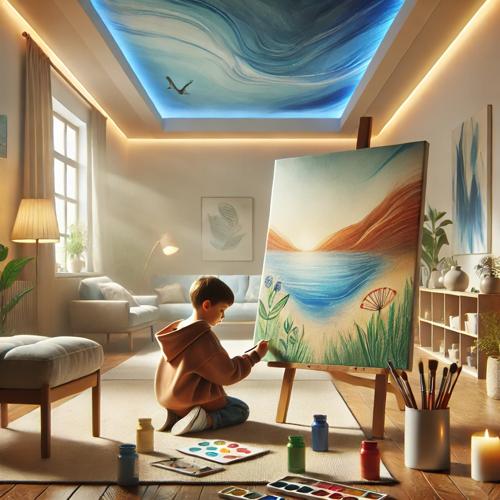
Art therapy has become an invaluable tool for helping children navigate the complexities of their emotions and experiences. The creative process allows children to express themselves in a non-verbal manner, which is particularly beneficial for those who have difficulty articulating their feelings. Art therapy helps children process their emotions, develop coping strategies, and improve their overall emotional well-being.
Children, especially those who have experienced trauma or difficult life circumstances, often struggle to express their emotions through traditional means such as conversation. This can lead to confusion, frustration, and a sense of isolation. Art therapy provides a safe space for children to explore and understand their emotions, offering them a way to communicate their thoughts and feelings in a more accessible and less intimidating manner. Whether through drawing, painting, or sculpting, children are able to externalise their inner experiences, making them easier to comprehend and work through.
One of the most significant benefits of art therapy for children is its ability to help them process trauma. Children who have experienced abuse, neglect, or the loss of a loved one often find it challenging to verbalise their pain and confusion. In these cases, art therapy offers a means of emotional release, helping children work through their trauma at their own pace. By creating art, children can symbolically express their feelings, allowing them to make sense of what has happened to them without the need for words. The artwork can also serve as a tool for the therapist to gain insights into the child’s emotional state, which can guide the therapeutic process.
In addition to its trauma-healing properties, art therapy plays an important role in the emotional and social development of children. It encourages self-expression, self-awareness, and emotional regulation. Through the creative process, children learn to recognise and understand their emotions, which is a crucial skill for emotional intelligence. This process helps children develop a sense of autonomy, confidence, and control over their emotional responses, empowering them to better navigate their relationships and daily experiences.
Art therapy also promotes problem-solving skills and creative thinking, encouraging children to think outside the box and approach challenges in new ways. By experimenting with different materials and techniques, children develop resilience and learn to adapt to various situations. These skills are valuable not only in art therapy sessions but also in other aspects of life, such as school, friendships, and family dynamics.
The role of the therapist in art therapy for children is crucial. A trained art therapist provides a supportive and safe environment in which the child feels comfortable expressing themselves. The therapist may guide the child through specific activities or prompts to help them explore certain emotions or experiences. At the same time, the therapist ensures that the child feels empowered to make their own choices, fostering a sense of independence and self-efficacy.
One of the most powerful aspects of art therapy for children is its ability to build trust and rapport between the child and the therapist. Many children who have experienced trauma may have difficulty trusting adults or authority figures. Art therapy offers a more indirect and non-confrontational way for children to connect with their therapist, making it easier for them to build a trusting relationship. As the child becomes more comfortable with the therapeutic process, they are more likely to open up and share their thoughts and feelings, facilitating deeper healing.
Art therapy also provides a sense of accomplishment and pride for children. Completing an artwork can give them a sense of purpose and achievement, which boosts their self-esteem and confidence. This sense of pride is especially important for children who may struggle with academic performance or social difficulties. Art allows them to experience success in a different context, reinforcing the idea that they are capable and competent individuals.
Beyond the individual benefits, art therapy can also enhance the social development of children. In group art therapy sessions, children have the opportunity to interact with their peers and share their creative work. This promotes a sense of community and belonging, which is important for children’s emotional well-being. It also provides an opportunity for children to develop social skills such as communication, collaboration, and empathy. Group art therapy sessions can help children learn to appreciate the perspectives and emotions of others, fostering a supportive and inclusive environment.
Art therapy is also beneficial for children with developmental disabilities or behavioural challenges. For children with autism spectrum disorder (ASD), for example, art therapy provides a means of non-verbal communication, which can be especially helpful in addressing social and emotional difficulties. Similarly, children with attention-deficit/hyperactivity disorder (ADHD) or other behavioural issues can benefit from the structure and focus provided by art therapy, which helps them manage impulsivity and regulate their emotions.
In schools, art therapy is being increasingly integrated into special education programs, where it is used to support children with a variety of emotional, behavioural, and developmental challenges. Schools are recognising the value of art therapy as a complementary approach to traditional teaching methods, helping children build emotional resilience and cope with the stresses of academic life. Art therapy also serves as a tool for fostering creativity and self-expression, providing children with an outlet for their feelings that is both therapeutic and enjoyable.
In conclusion, art therapy offers a powerful and transformative approach to emotional development and healing for children. It helps children process difficult emotions, overcome trauma, and develop the skills needed to navigate their social and emotional lives. Through creative expression, children can gain greater self-awareness, confidence, and emotional resilience, which are essential for healthy development. Whether used in individual therapy or in group settings, art therapy provides children with the tools they need to build a strong emotional foundation and thrive in all aspects of life.

Trauma, whether experienced in childhood or adulthood, can leave lasting emotional scars that affect one's ability to cope with daily life. Traditional talk therapy is not always sufficient in addressing the deep-rooted emotions associated with trauma. This is where art therapy can play a pivotal role. By providing a non-verbal outlet for expression, art therapy allows individuals to externalise their trauma, making it easier to process and heal.
The creative process involved in art therapy provides a safe and structured environment for individuals to explore their emotions. For those who have experienced trauma, verbalising painful memories and feelings can be overwhelming and difficult. However, through the act of creating art, individuals are able to bypass the limitations of words and engage with their feelings in a more intuitive way. Art serves as a bridge between the unconscious mind and the conscious self, allowing individuals to tap into emotions that may have been buried or suppressed.
One of the core benefits of art therapy for trauma survivors is its ability to provide emotional release. Trauma often causes intense emotional tension, which can manifest as anxiety, depression, anger, or guilt. These emotions may be difficult to express through conversation alone. However, when individuals engage in art therapy, the act of creating allows them to release pent-up emotions in a safe, controlled environment. This emotional release is the first step toward healing, as it helps individuals gain clarity and begin to process their experiences.
Art therapy also helps individuals reclaim their sense of control, which is often lost in the aftermath of trauma. Trauma survivors frequently feel helpless, powerless, or disconnected from their own bodies. By engaging in the creative process, individuals are able to regain a sense of agency. They can make decisions about their artwork, choose how to represent their emotions, and take ownership of their healing process. This sense of control can be incredibly empowering, as it helps individuals regain confidence in their ability to shape their own lives and experiences.
Furthermore, art therapy offers a way for individuals to express their trauma without having to revisit the details of painful memories. For some, recounting traumatic experiences can be retraumatising. Art therapy offers a different approach, where the focus is on the emotional impact of the trauma rather than the event itself. By using metaphors, symbols, and abstract forms, individuals can express the complex emotions tied to their trauma without feeling overwhelmed by the specifics of what happened. This indirect approach allows for a gentler process of healing, where individuals can slowly come to terms with their experiences at their own pace.
In addition to emotional release, art therapy also facilitates a sense of connection and validation. Trauma often leads to feelings of isolation, as survivors may struggle to connect with others who can understand their pain. Art therapy provides a way for individuals to communicate their emotions visually, creating a shared experience with their therapist. This process can help individuals feel seen and understood, which is crucial for healing. It also creates a sense of community and support, especially in group therapy settings where individuals can share their creative expressions and connect with others who have faced similar challenges.
Another benefit of art therapy for trauma survivors is its ability to help individuals reframe their experiences. Trauma can distort one’s perception of self and the world, leading to negative beliefs and self-doubt. Art therapy encourages individuals to reframe these beliefs by exploring alternative perspectives through creative expression. By working with art, individuals can transform painful memories into symbols of strength, resilience, and growth. This process of reframing helps individuals reclaim their identity and begin to see themselves as survivors rather than victims.
Research has shown that art therapy can be particularly effective in treating PTSD (post-traumatic stress disorder), a condition that often arises from trauma. PTSD is characterised by flashbacks, nightmares, and intrusive memories, which can make it difficult for individuals to engage in traditional therapy. Art therapy offers an alternative method of processing these memories, helping individuals confront their trauma in a less direct and more manageable way. Studies have found that art therapy can reduce the severity of PTSD symptoms, improve emotional regulation, and help individuals develop healthy coping mechanisms.
In addition to its benefits for PTSD, art therapy has proven to be effective for individuals dealing with childhood trauma, sexual abuse, grief, and loss. Survivors of these traumatic experiences often have difficulty trusting others and may struggle with feelings of shame or guilt. Art therapy offers a non-threatening way for these individuals to express their emotions and begin to heal. It also helps to normalise the experience of trauma, showing individuals that their feelings are valid and that healing is possible.
In conclusion, art therapy offers a powerful and transformative approach to healing from trauma. By providing a creative outlet for emotional expression, art therapy helps individuals release pent-up emotions, regain a sense of control, and begin to process their traumatic experiences. It is a non-verbal, gentle approach to healing that allows trauma survivors to reclaim their sense of self and move toward recovery. Whether used in individual therapy or group settings, art therapy is an invaluable tool for those seeking to heal from the past and build a brighter, more empowered future.

Art therapy is not just a creative outlet for self-expression; it also has profound effects on the brain. Research into the science behind art therapy is beginning to uncover how the creative process influences brain function, particularly in terms of emotional regulation, stress reduction, and cognitive function. The integration of creativity with therapeutic techniques is not only a means for emotional release but also a powerful tool for healing at the neurological level.
The brain’s response to art-making is complex and involves various regions that are associated with emotional processing, memory, and cognitive function. When individuals engage in art therapy, they are essentially using the creative process to engage different parts of the brain, particularly those involved in regulating emotions and managing stress. For example, the act of painting or drawing activates the prefrontal cortex, which is responsible for decision-making, problem-solving, and emotional regulation. At the same time, the brain’s limbic system, which governs emotional responses, is also engaged, facilitating the processing of emotions in a safe and constructive manner.
One of the most significant areas of research in art therapy is its effect on neuroplasticity. Neuroplasticity refers to the brain’s ability to reorganise and form new neural connections in response to experience. This process is essential for recovery from trauma and emotional distress. Studies have shown that engaging in creative activities like art-making can stimulate neuroplasticity, particularly in regions of the brain that help with emotional processing and memory. This is especially beneficial for individuals dealing with trauma, as the brain can form new pathways for processing past experiences, ultimately aiding in recovery and healing.
Art therapy’s influence on neuroplasticity is thought to be related to the therapeutic benefits of mindfulness. When individuals engage in the creative process, they enter a state of mindfulness, where they focus on the present moment and their artistic expression. This mindfulness reduces the activity in the brain’s default mode network, which is associated with rumination, negative thinking, and stress. By lowering the activity in this network, art therapy allows individuals to be more present and less overwhelmed by negative thought patterns, facilitating emotional healing and mental clarity.
Another key benefit of art therapy is its ability to reduce cortisol levels, a hormone associated with stress. Research has found that engaging in creative activities like painting or drawing can lower cortisol levels, helping individuals feel more relaxed and calm. This reduction in stress hormones can have a profound impact on emotional health, as chronic stress is linked to a variety of mental and physical health issues, including anxiety, depression, and cardiovascular disease. By lowering stress, art therapy can help individuals better manage their emotions and improve their overall well-being.
In addition to stress reduction, art therapy can also improve cognitive function, particularly in individuals dealing with conditions like dementia, Alzheimer's disease, or other cognitive impairments. Studies have shown that creative activities can help stimulate brain function and improve memory, problem-solving, and overall cognitive abilities. For older adults, art therapy provides a way to maintain mental agility and promote cognitive health, as well as improve mood and emotional resilience.
One of the most fascinating aspects of the science behind art therapy is its ability to help individuals process and express emotions that are difficult to verbalise. For people dealing with trauma or other emotional challenges, traditional talk therapy may not always be effective, as some emotions are too complex or deeply buried to articulate. Art therapy provides a non-verbal way to express these emotions, allowing individuals to communicate their inner experiences without the need for words. This is particularly important for individuals who have difficulty processing their emotions verbally, such as those with autism spectrum disorder (ASD) or post-traumatic stress disorder (PTSD).
Research has shown that art therapy can be particularly effective in helping individuals process trauma. Trauma can often leave individuals feeling disconnected from their emotions, their bodies, and even their sense of self. Art therapy helps reconnect individuals with their emotions and their bodies by offering a safe space to explore and express feelings of pain, anger, fear, and grief. Through the creative process, trauma survivors are able to externalise their experiences and begin to heal from the emotional wounds left by their past.
Art therapy also has a positive impact on emotional regulation. When individuals engage in the creative process, they are better able to manage their emotions, reducing the intensity of negative emotions such as anger, sadness, or frustration. The act of creating art offers an outlet for these emotions, helping individuals release tension and feel more in control of their emotional state. This can be particularly helpful for individuals with mood disorders, anxiety, or depression, as art therapy provides a constructive way to cope with difficult feelings.
The science behind art therapy is continually evolving, with new studies shedding light on the ways in which creative expression influences brain function and emotional health. As research in this field grows, it is likely that art therapy will become an increasingly important part of mainstream mental health treatment. The combination of creativity and psychological techniques offers a powerful and evidence-based approach to healing, providing individuals with the tools they need to navigate their emotional and mental health challenges.
In conclusion, art therapy is not only a means of self-expression; it is a scientifically supported therapeutic method that has a profound impact on brain function and emotional health. Through the creative process, individuals can engage different parts of the brain, stimulate neuroplasticity, reduce stress, and improve cognitive function. Art therapy provides a safe and effective way to process emotions, release tension, and promote overall well-being. Whether used for trauma recovery, stress management, or emotional regulation, art therapy offers a unique and transformative approach to healing that is backed by science.

As mental health issues continue to rise among children and adolescents, schools are increasingly turning to innovative approaches to support students' emotional and psychological well-being. One such approach is art therapy, which is being integrated into school environments to help students navigate the stresses of academic life, social pressures, and emotional challenges. Art therapy offers a creative outlet for children and young adults, providing them with the opportunity to express themselves and process their emotions in a non-verbal, constructive way.
The benefits of art therapy in schools are vast. First and foremost, it offers students a safe space to explore their feelings without the pressure of traditional verbal communication. For many children, especially those who are shy or struggle with verbal expression, art therapy can serve as a bridge to understanding and communicating their inner world. By using art as a means of expression, students can release pent-up emotions, work through difficult experiences, and gain a greater understanding of themselves.
Art therapy in schools is particularly helpful for students facing challenges such as bullying, trauma, family issues, or mental health conditions like anxiety or depression. These experiences can often manifest in negative behaviours, difficulties with concentration, or emotional outbursts. Art therapy provides an alternative method for students to process their feelings, which can lead to improved behaviour, better focus, and a more positive attitude towards school. As a result, students who engage in art therapy may experience increased self-esteem, improved social interactions, and a greater sense of belonging within their school community.
One of the key benefits of art therapy in the school setting is its ability to promote emotional regulation. Through art, students learn to express and manage their emotions in a healthy way. For example, creating art can be a calming activity that helps students manage stress, anxiety, and frustration. By engaging in the creative process, students can release negative emotions, experience a sense of accomplishment, and feel more centred and at ease. This emotional regulation helps them cope with the challenges they face both in and out of the classroom.
Art therapy also fosters important life skills such as problem-solving, critical thinking, and resilience. When students create art, they are encouraged to think creatively, experiment with new ideas, and work through challenges in their artistic process. These problem-solving skills can be applied to other areas of their lives, including their academic work, relationships, and personal challenges. Additionally, the process of creating art helps students build resilience as they learn to embrace mistakes, see them as part of the learning process, and develop the perseverance needed to continue working towards their goals.
In schools, art therapy can take many forms, from individual therapy sessions to group art workshops. Group art therapy provides students with the opportunity to collaborate, share experiences, and support one another in a safe and non-judgmental space. This group dynamic can be particularly beneficial for students who struggle with feelings of isolation or who have difficulty making connections with their peers. Through group art therapy, students can build a sense of community, learn empathy, and develop stronger social skills.
Another benefit of art therapy in schools is its ability to increase students' engagement and academic performance. When students feel supported emotionally and socially, they are more likely to be engaged in their academic work. Art therapy helps create a positive school environment where students feel safe to express themselves, reducing anxiety and increasing their willingness to participate in class activities. This emotional support translates into better academic performance, improved focus, and a more positive outlook on education.
Incorporating art therapy into the school curriculum is also an effective way to promote a holistic approach to education. While academic success is important, emotional and social development is just as critical to a student's overall well-being. By integrating art therapy into schools, educators can help students develop the emotional intelligence and coping skills they need to succeed both academically and personally. This approach recognises the importance of mental health in a student's overall development and well-being.
Schools that implement art therapy programs are also creating a culture of acceptance and understanding. Mental health issues are often stigmatized, especially in adolescent communities. By offering art therapy as a regular part of the curriculum, schools are sending a message that mental health is a priority and that seeking help is a positive step towards healing. This cultural shift can help reduce the stigma surrounding mental health issues and encourage more students to seek support when they need it.
Despite its many benefits, integrating art therapy into schools does present some challenges. One of the main obstacles is funding. Many schools are already stretched thin when it comes to resources, and allocating funds for art therapy programs may not always be a top priority. However, the long-term benefits of art therapy in terms of improved mental health, academic performance, and overall student well-being make it a worthwhile investment. Additionally, advocacy efforts and partnerships with local organisations can help secure funding and support for these programs.
In conclusion, art therapy is an invaluable tool for promoting emotional and social development in schools. By providing students with a creative outlet to express their emotions, art therapy helps them navigate the challenges they face and develop the skills they need to succeed in both school and life. As more schools recognise the importance of mental health in student development, art therapy will likely become an increasingly integral part of the educational landscape, fostering a healthier and more supportive environment for students of all backgrounds and needs.

Art therapy is increasingly being recognised as an essential tool in the care of the elderly, particularly for those suffering from dementia, Alzheimer’s disease, and other cognitive impairments. As we age, the brain undergoes changes that can affect memory, emotional regulation, and overall mental function. Art therapy offers a powerful way to support emotional health, improve cognitive abilities, and enhance the quality of life for elderly individuals.
For older adults, engaging in creative activities like painting, drawing, and sculpting provides a non-verbal means of self-expression. This is particularly valuable for those who may struggle to communicate verbally due to cognitive decline or physical limitations. Art therapy allows individuals to express their thoughts, emotions, and memories in ways that words may fail to convey. The act of creating art provides a sense of accomplishment, boosts self-esteem, and offers a form of communication that transcends the limitations of language.
One of the key benefits of art therapy for the elderly is its impact on memory care. Alzheimer’s disease and other forms of dementia can severely affect a person’s memory, making it difficult for them to recall names, dates, or even basic daily activities. Art therapy, however, can provide a meaningful way to tap into long-term memories. The creative process often activates different areas of the brain, stimulating memory recall and helping individuals reconnect with their past. For example, creating art that reflects personal experiences or memories can trigger associations and prompt reminiscence, which helps improve cognitive function and recall.
Art therapy also plays a crucial role in improving emotional well-being among the elderly. Many older adults experience feelings of isolation, depression, or anxiety, particularly those living in nursing homes or care facilities. Art therapy offers a sense of belonging and purpose, which is essential for combating loneliness and promoting positive mental health. Engaging in artistic activities provides a form of emotional release, allowing individuals to express feelings of sadness, fear, or frustration in a safe and constructive way. This can be particularly important for those who feel disconnected from their loved ones or are struggling with the emotional challenges of aging.
Furthermore, art therapy can enhance social interaction among elderly individuals, particularly in group therapy settings. When older adults come together to create art, they often share their experiences and engage in conversations, which helps foster a sense of community and connection. Group art therapy sessions encourage individuals to communicate, collaborate, and support one another, which can improve social bonds and reduce feelings of isolation. This social interaction is essential for maintaining mental and emotional health, especially for those who may be living alone or away from family and friends.
Art therapy also provides cognitive benefits beyond memory care. For older adults, engaging in creative activities can stimulate brain function and improve cognitive abilities such as problem-solving, attention, and motor skills. Art-making involves both the brain’s right and left hemispheres, encouraging the individual to think creatively while also focusing on details and fine motor skills. This holistic engagement can help slow the cognitive decline associated with aging and promote mental agility. Additionally, activities like drawing or painting can improve hand-eye coordination and fine motor skills, which are important for maintaining independence in daily life.
One of the unique advantages of art therapy in elderly care is its ability to tailor activities to the individual’s abilities and needs. In nursing homes or memory care units, art therapists can adjust the complexity of the activities to accommodate individuals with varying levels of cognitive function. For example, individuals with advanced dementia may be encouraged to engage in simple, repetitive art tasks, such as colouring or basic painting. On the other hand, individuals with less cognitive impairment may be able to create more complex artworks or engage in multi-step projects. This adaptability makes art therapy an inclusive and accessible form of care for elderly individuals at different stages of cognitive decline.
Art therapy is also beneficial for elderly individuals dealing with grief and loss. Many older adults experience the loss of a spouse, friends, or even their independence as they age. These experiences can lead to feelings of sadness, grief, and a diminished sense of purpose. Art therapy offers a way for individuals to process their grief and express their feelings of loss in a safe, non-verbal manner. Creating art can help individuals explore their emotions and find ways to cope with the changes and losses they face as they age.
In conclusion, art therapy is a valuable and transformative tool in elderly care, particularly for those suffering from dementia, Alzheimer’s disease, and other age-related cognitive impairments. Through creative expression, art therapy helps individuals improve memory, enhance emotional well-being, and foster social connections. It offers a non-verbal means of self-expression, promoting cognitive function and improving quality of life. As the elderly population continues to grow, art therapy will play an increasingly important role in enhancing the lives of older adults, offering a path to emotional healing and cognitive preservation as they age.

Addiction is a complex condition that affects the brain and emotions, often leading to feelings of shame, isolation, and emotional turmoil. Traditional addiction recovery methods, such as counselling and support groups, can be highly effective, but they may not always address the deeper emotional wounds that fuel addiction. Art therapy offers a unique and powerful way to supplement traditional recovery techniques, helping individuals confront their feelings, rebuild their self-esteem, and connect with their inner selves through creative expression.
Art therapy in addiction recovery provides a non-verbal outlet for individuals to explore their emotions and experiences. Many people struggling with addiction find it difficult to talk about their feelings, particularly when they involve trauma, guilt, or shame. Art therapy allows individuals to express these emotions through drawing, painting, sculpture, or other forms of creative expression, bypassing the barriers that verbal communication can sometimes create. The act of creating art provides a safe and structured way for individuals to externalise their internal struggles, making it easier to process and work through difficult emotions.
In addition to emotional release, art therapy helps individuals in addiction recovery rebuild their self-esteem and sense of identity. Addiction often leads to a diminished sense of self-worth, as individuals may feel defined by their addiction or overwhelmed by feelings of failure. Through art therapy, individuals can create tangible representations of their journey, giving them a sense of accomplishment and personal meaning. By expressing themselves creatively, they can reconnect with their inner strengths and abilities, helping them rebuild a more positive self-image and sense of purpose.
Art therapy also supports emotional regulation, a crucial component of addiction recovery. Many individuals who struggle with addiction have difficulty managing intense emotions, which can lead to substance use as a form of coping. Art therapy teaches individuals to recognise and process their emotions in a healthy, constructive way. Through the creative process, they learn to channel their feelings into their artwork, rather than using substances to numb or escape from them. This practice helps individuals develop emotional resilience, which is essential for maintaining sobriety and preventing relapse.
Another key benefit of art therapy in addiction recovery is its ability to help individuals confront and heal from past trauma. Trauma is a common factor in the development of addiction, and many individuals turn to substances as a way to cope with the emotional pain caused by past experiences. Art therapy offers a safe space for individuals to explore and process their trauma, allowing them to address the emotional wounds that may have contributed to their addiction. By externalising their trauma through art, individuals can gain new insights into their experiences, begin to release feelings of guilt or shame, and work toward emotional healing.
Art therapy also fosters mindfulness and presence, which are essential for individuals in recovery. Mindfulness is the practice of staying present in the moment and observing one’s thoughts and feelings without judgment. This practice is beneficial for individuals in addiction recovery, as it helps them stay grounded and focused on their goals. Art therapy encourages mindfulness by drawing individuals’ attention to the creative process, allowing them to fully immerse themselves in their artwork and experience the present moment. This mindfulness practice can reduce stress, promote relaxation, and help individuals manage the cravings and triggers that can lead to relapse.
In group settings, art therapy provides a sense of community and support, which is vital for individuals in addiction recovery. Many individuals struggling with addiction feel isolated and disconnected from others, but group art therapy creates a space where individuals can share their experiences, support one another, and form meaningful connections. The shared experience of creating art in a group setting fosters a sense of belonging and empathy, helping individuals feel understood and supported by others who are going through similar challenges.
Moreover, art therapy can serve as a tool for personal reflection and self-discovery. Addiction often leads individuals to lose touch with their true selves, as they may become consumed by their substance use. Through the creative process, art therapy helps individuals reconnect with their passions, values, and aspirations. By exploring their creativity, they can rediscover what brings them joy, meaning, and purpose, which can serve as a foundation for lasting recovery.
While art therapy can be a powerful tool in addiction recovery, it is important to recognise that it is most effective when used as part of a comprehensive treatment plan. Art therapy should be integrated with other therapeutic methods, such as individual counselling, group therapy, and support groups, to provide individuals with a holistic approach to recovery. When combined with traditional recovery methods, art therapy can significantly enhance the healing process, helping individuals not only overcome their addiction but also build a healthier, more fulfilling life in sobriety.
In conclusion, art therapy is a valuable and transformative approach to addiction recovery. It offers individuals a safe, creative space to express their emotions, heal from past trauma, and rebuild their self-esteem and sense of identity. Through the creative process, individuals in recovery can develop emotional regulation skills, reconnect with their inner strengths, and build a foundation for lasting sobriety. As part of a comprehensive treatment plan, art therapy can play a pivotal role in helping individuals heal and rebuild their lives in recovery.

Art therapy is widely recognised for its ability to facilitate emotional healing and mental well-being, but its potential for spiritual growth is often overlooked. The act of creating art can transcend the physical realm, offering individuals a path to spiritual awakening. Whether through abstract painting, sculpting, or drawing, the creative process can serve as a bridge between the material world and the spiritual dimensions of human experience, helping individuals connect to their higher selves, the divine, or a sense of purpose and meaning.
One of the key ways art therapy fosters spiritual awakening is by allowing individuals to access deeper layers of the unconscious mind. The creative process bypasses the logical, conscious thought patterns that often limit spiritual exploration, opening up pathways for intuitive insights, personal revelations, and spiritual experiences. By expressing emotions and ideas through art, individuals can tap into their inner wisdom, discovering aspects of themselves that may have been hidden or ignored. This can lead to profound moments of self-awareness, personal growth, and a greater sense of spiritual connection.
Art therapy also facilitates mindfulness, which is at the core of many spiritual practices. The act of creating art encourages individuals to be present in the moment, focusing their attention on the process rather than the outcome. This mindful engagement with the creative process can induce a sense of calm, peace, and presence, which is essential for spiritual development. Whether through the act of painting, sculpting, or other artistic expressions, the creative process encourages individuals to become more attuned to their inner selves, fostering spiritual growth and a deeper understanding of their spiritual path.
Moreover, art therapy provides a safe and non-judgmental space for individuals to explore their beliefs, values, and spiritual identity. Many people face spiritual crises or periods of doubt, especially during times of personal turmoil, loss, or change. Art therapy offers a way to explore and process these spiritual challenges without the pressure of verbal expression or the constraints of traditional religious frameworks. Individuals can express their spiritual struggles, questions, and revelations through their artwork, gaining clarity and insight into their spiritual journey. This process can lead to greater self-acceptance and a more authentic spiritual practice.
The creative process in art therapy can also evoke a sense of awe, wonder, and transcendence, which are central to many spiritual traditions. Creating art allows individuals to connect with something greater than themselves, whether it be the divine, the universe, or their own higher consciousness. Many individuals report feeling a sense of transcendence during their artistic practice, experiencing moments of flow where they feel deeply connected to their inner selves or to a higher power. This experience of creative transcendence can be deeply spiritual, helping individuals tap into a sense of divine inspiration or cosmic connection.
Art therapy can also help individuals integrate spiritual practices into their daily lives. For those who practice meditation, prayer, or other forms of spiritual discipline, art therapy offers a complementary tool for deepening their spiritual practice. Creating art can serve as a form of active meditation, allowing individuals to express their inner experiences and reflections. The act of creating becomes a spiritual ritual, where the artist can reflect on their spiritual beliefs, explore their relationship with the divine, and connect with their soul's purpose.
Additionally, art therapy can serve as a means of honouring and connecting with spiritual traditions, rituals, and symbols. For many people, creating art is a way to connect with their cultural or religious heritage. Art therapy provides a space to explore and express spiritual symbols, sacred images, and religious iconography, allowing individuals to engage with their faith in a deeply personal and creative way. Whether through the creation of sacred art, prayer beads, or symbolic representations of spiritual beliefs, art therapy helps individuals deepen their connection to their faith and spiritual identity.
Through art therapy, individuals can also explore themes of healing, renewal, and transformation, which are central to many spiritual journeys. The creative process allows individuals to visually represent their spiritual struggles, challenges, and growth. Whether through abstract art, mandalas, or other forms of creative expression, individuals can symbolise their spiritual evolution and healing, gaining insight into their spiritual path and transformation. This process of spiritual self-expression can lead to profound moments of clarity, healing, and awakening, helping individuals align with their true selves and their higher purpose.
In conclusion, art therapy is not only a tool for emotional healing and mental well-being but also a powerful pathway for spiritual awakening. The creative process allows individuals to access deeper layers of consciousness, explore their spiritual beliefs and identity, and connect with a higher power or sense of purpose. Through the mindful, non-verbal expression of emotions, thoughts, and spiritual experiences, art therapy facilitates personal growth, spiritual transformation, and a greater sense of connection to the divine. Whether used to navigate a spiritual crisis or deepen an existing spiritual practice, art therapy offers a unique and transformative way to engage with the spiritual aspects of life, helping individuals achieve a sense of spiritual awakening and fulfilment.

Throughout history, music has played a central role in spiritual healing and transformation. Across cultures and traditions, sound has been used to connect with higher realms, induce meditative states, and bring emotional and physical balance. Music therapy, which integrates scientific principles with the power of sound, has increasingly been recognised as an effective tool for enhancing spiritual well-being.
By combining ancient wisdom with modern therapeutic techniques, music therapy is helping individuals explore their spiritual journey, find inner peace, and heal emotional wounds. Whether through chanting, drumming, sacred singing, or instrumental soundscapes, music offers a direct pathway to the soul, creating profound experiences of self-discovery and healing.
Music has long been considered a bridge between the earthly and the divine. In many spiritual traditions, sound is regarded as a fundamental force in the universe, capable of influencing consciousness and shaping reality.
In Hindu philosophy, the concept of Nada Brahma suggests that the universe itself is made of sound vibrations. The sacred syllable Om, often chanted in meditation, is believed to resonate with the cosmic frequency, aligning individuals with the rhythm of existence. Similarly, in Tibetan Buddhism, monks use singing bowls and chanting to deepen meditation, purify energy fields, and create spiritual harmony.
In Christianity, Gregorian chants have been used for centuries to elevate consciousness and facilitate divine connection. The repetitive and resonant qualities of these chants are thought to induce states of tranquility and devotion, allowing practitioners to enter deeper levels of prayer.
Indigenous cultures also use music as a key element in spiritual healing. Native American drumming, for example, is often performed in healing ceremonies to restore balance within individuals and the community. The steady rhythm of the drum is believed to synchronise with the heartbeat of the Earth, helping participants attune to nature’s energy and experience spiritual renewal.
These traditions highlight the universal belief in music’s ability to heal not just the mind and body but also the spirit. In modern music therapy, these ancient practices are being integrated into structured healing modalities, creating new ways to access spiritual well-being.
One of the primary ways music therapy supports spiritual healing is through mindfulness and meditation. The intentional use of music can help individuals enter states of deep relaxation, where they can quiet the mind and connect with their inner self.
Guided sound meditation sessions often use instruments such as crystal singing bowls, gongs, or harps to create immersive sonic environments. These soundscapes encourage the brain to shift into slower frequencies, such as alpha and theta waves, which are associated with relaxation, intuition, and heightened awareness.
For individuals experiencing emotional turmoil, music therapy provides a safe space for self-exploration and healing. Many therapists use binaural beats, a technique that plays slightly different frequencies in each ear, to encourage meditative states and promote spiritual clarity. Research suggests that binaural beats can reduce anxiety, improve focus, and even enhance spiritual experiences.
Chanting and vocal toning are also powerful tools in music therapy. Repeating mantras or vowel sounds can activate the vagus nerve, which is linked to the body's relaxation response. This can help reduce stress, increase emotional resilience, and create a deep sense of spiritual grounding.
In many spiritual traditions, the human body is believed to contain an energetic system that can be influenced by sound. Music therapy is increasingly being used to complement energy healing modalities such as Reiki, acupuncture, and chakra balancing.
Each chakra in the body is thought to correspond with specific frequencies and musical notes. For example:
Music therapists often design sessions that incorporate sounds tailored to the energetic imbalances of an individual. By using specific frequencies and harmonics, they help clients release blockages and restore their natural vibrational state.
In Reiki healing, practitioners sometimes use live or recorded music to enhance energy flow and deepen relaxation. Soft instrumental music, combined with Reiki’s gentle touch, can amplify the healing effects, helping clients feel more centered and connected to their higher selves.
Music has a unique ability to evoke deep emotions, making it an essential tool for processing grief, trauma, and spiritual crises. Many individuals seek spiritual healing when they are facing life transitions, loss, or existential uncertainty. Music therapy provides a compassionate way to explore these emotions and find closure.
For individuals experiencing grief and loss, therapists often use personalized playlists or live music to help them express their emotions safely. Certain songs can trigger memories, facilitate emotional release, and bring comfort to those who are mourning.
In trauma recovery, music therapy can provide a non-verbal outlet for emotional pain. Drumming and rhythmic movement are particularly effective in helping individuals release stored trauma from the body, as they engage the nervous system and promote a sense of empowerment.
Spiritual crises—times when individuals feel disconnected from their purpose or higher self—can also be addressed through music therapy. Improvisational music-making, where clients create spontaneous melodies or rhythms, allows them to explore their inner world and reconnect with their sense of meaning.
Music therapy is not just an individual experience; it can also be a powerful tool for collective healing. Throughout history, communities have gathered to sing, chant, and make music as a way of strengthening social bonds and uplifting collective consciousness.
Group singing, such as in kirtan (devotional chanting), has been shown to increase feelings of unity and spiritual connection. In many cultures, singing together is believed to raise vibrational energy, dissolve emotional barriers, and bring participants into a shared state of joy.
Drumming circles are another example of community-based music therapy. The repetitive nature of group drumming promotes entrainment, a phenomenon where individual brainwaves begin to synchronise with the rhythm, leading to a sense of deep connection and belonging. This is particularly beneficial for individuals struggling with loneliness, anxiety, or a loss of community.
Music therapy retreats and workshops are also growing in popularity, offering participants immersive experiences where they can explore sound healing in a group setting. These retreats often include chanting, sound baths, movement therapy, and guided meditation, creating an integrated approach to spiritual and emotional well-being.
Music therapy is an ancient yet ever-evolving practice that bridges the gap between science and spirituality. By harnessing the power of sound, individuals can access deeper levels of consciousness, release emotional burdens, and find a renewed sense of connection with themselves and the world around them.
Whether through guided meditation, energy healing, emotional release, or community gatherings, music therapy continues to be a profound tool for spiritual growth and transformation. As research and practice expand, the integration of sound and healing will only deepen, offering new ways to nurture the soul and enrich the human experience.
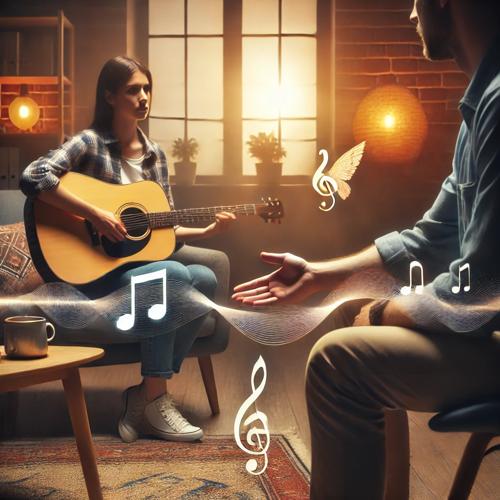
Music has long been a source of comfort, emotional expression, and healing. In recent years, music therapy has gained increasing recognition as an effective tool for addressing mental health challenges such as anxiety, depression, PTSD, and stress-related disorders. By harnessing the power of rhythm, melody, and harmony, music therapy offers a holistic approach to well-being, complementing traditional therapeutic methods and providing an alternative avenue for emotional and psychological healing.
The connection between music and mental health is deeply rooted in neuroscience. Studies have shown that listening to or engaging with music can trigger the release of neurotransmitters such as dopamine and serotonin, which help regulate mood and reduce symptoms of stress and anxiety.
One of the primary ways music affects the brain is through its ability to activate the limbic system, the region responsible for emotions and memory. Music therapy can help regulate emotions, reduce cortisol levels (the stress hormone), and stimulate neural pathways that support cognitive function and emotional resilience.
In addition to chemical responses, music has a direct impact on brainwave activity. Slow, soothing music can induce alpha waves, which are associated with relaxation and mindfulness, while rhythmic drumming or upbeat melodies can increase beta waves, helping with focus and motivation. This makes music therapy an effective tool for individuals struggling with emotional dysregulation, attention deficits, or chronic stress.
Music therapy is a versatile practice that can be tailored to meet the needs of individuals, groups, and communities. Some of the most common approaches include:
Each of these approaches provides a structured yet creative outlet for individuals to explore their feelings, develop coping mechanisms, and strengthen their overall mental resilience.
One of the most significant applications of music therapy is in the treatment of anxiety and depression. The calming effect of music can help reduce heart rate, lower blood pressure, and decrease muscle tension, all of which are common physiological responses to stress and anxiety.
For individuals with depression, engaging with music can help combat feelings of isolation and sadness. Singing, playing instruments, or participating in group music therapy sessions can foster a sense of connection and self-worth. Research has found that people with depression who engage in regular music therapy sessions show significant improvements in mood, motivation, and overall quality of life.
Additionally, music therapy can serve as a valuable complementary treatment for individuals who may not respond well to traditional talk therapy. In cases where verbal communication is difficult, music provides a non-verbal outlet for self-expression and emotional processing.
Music therapy has shown remarkable benefits for individuals experiencing post-traumatic stress disorder (PTSD), particularly among war veterans, survivors of abuse, and those who have lived through significant life-threatening events.
One of the reasons music therapy is effective for trauma is its ability to bypass the brain’s verbal processing centers and directly engage the emotional memory system. This allows individuals to process traumatic experiences without having to relive them in words, making it a gentler approach for those struggling with severe emotional distress.
Rhythmic drumming, for example, has been found to regulate the nervous system, helping trauma survivors regain a sense of control over their body’s stress response. Guided music listening and songwriting can also help individuals reframe their experiences, process grief, and rebuild a sense of hope and empowerment.
Music therapy sessions for trauma survivors are often designed to create a sense of safety and grounding. Therapists carefully select or compose music that aligns with the patient’s emotional state, gradually guiding them towards healing and resolution.
Stress is a common factor in many mental health disorders, and music therapy offers a powerful way to manage and reduce its effects.
Music’s ability to induce relaxation has led to its integration into mindfulness practices such as meditation, yoga, and breathwork. Many therapists incorporate sound baths, where individuals listen to calming frequencies such as Tibetan singing bowls, chimes, or gentle instrumental music to enter a meditative state. These sound-based therapies help activate the parasympathetic nervous system, which promotes relaxation and counteracts the body’s fight-or-flight response.
Certain types of music, such as classical compositions, slow-tempo jazz, or nature sounds, have been found to enhance focus, improve concentration, and increase overall emotional stability. This is particularly beneficial for individuals experiencing chronic stress, burnout, or difficulty regulating their emotions in high-pressure environments.
One of the unique aspects of music therapy is its ability to foster social connection, an essential factor in mental well-being.
Participating in group music-making, whether through drumming circles, choir singing, or instrumental ensembles, creates a sense of community and belonging. The act of synchronising with others in rhythm and melody helps build trust, cooperation, and emotional attunement.
Music therapy is often used in support groups for individuals recovering from addiction, grief, or social anxiety. It provides a shared experience that encourages emotional openness and mutual support. Many people find that music allows them to express themselves in ways that words cannot, helping to build meaningful connections with others who share similar struggles.
While music therapy offers significant benefits, it is essential to recognise that it is not a one-size-fits-all solution. Some individuals may find certain types of music triggering or emotionally overwhelming. Music therapists carefully assess each individual’s preferences, triggers, and emotional responses to ensure that the therapy is beneficial rather than distressing.
Another challenge is accessibility. While music therapy is becoming more widespread, it is still not as readily available as traditional forms of mental health treatment. Expanding music therapy programs in hospitals, schools, and community centres can help more people access its benefits.
Additionally, music therapy should always be conducted by trained professionals. While listening to music on one’s own can be therapeutic, structured music therapy sessions require an understanding of psychology, neuroscience, and clinical intervention techniques to ensure safe and effective outcomes.
Music therapy is a powerful tool for mental health, offering a holistic approach to emotional and psychological healing. By tapping into the brain’s natural response to rhythm and melody, it provides an alternative to traditional therapy that is accessible, creative, and deeply personal.
From helping individuals cope with anxiety and depression to aiding trauma survivors and fostering social connection, music therapy continues to prove its value in the mental health field. As research in this area expands, it is likely that music therapy will become an even more integral part of mental health care, bringing harmony and healing to those who need it most.

Music therapy has long been recognised for its therapeutic benefits, but in recent years, its collaboration with the arts has created new opportunities for healing, creativity, and expression. Musicians, composers, and music therapists are working together to develop innovative therapeutic approaches, blending artistic creativity with structured therapy to improve mental and physical well-being. These partnerships highlight the transformative power of music, not only as an art form but as a vital tool for health and healing.
Music has always been deeply intertwined with human emotion, memory, and communication. Scientific research shows that music activates multiple areas of the brain, influencing mood, cognition, and motor functions. This has led to its increasing use in therapeutic settings, particularly in mental health care, neurological rehabilitation, and palliative care.
Musicians have a unique ability to connect with emotions and experiences through sound. When they collaborate with music therapists, their skills are harnessed in a structured way to help patients navigate challenges such as trauma, anxiety, depression, and neurodevelopmental conditions. These collaborations bring artistic insight into therapy, making sessions more engaging, personalised, and effective.
Many professional musicians are becoming more involved in music therapy, recognising its profound impact on people's lives. Some artists have started their own music therapy foundations, funding programmes in hospitals, schools, and mental health centres. Others volunteer their time by performing for patients or assisting in therapy sessions.
One well-known example is Musicians On Call, a programme where professional musicians visit hospitals to perform live music for patients at their bedsides. These performances have been shown to reduce stress, ease pain, and create meaningful emotional connections. Similarly, artists such as Billy Joel and Paul McCartney have openly supported music therapy initiatives, raising awareness of its benefits.
Collaboration between musicians and therapists also occurs in songwriting and music composition. Patients may work alongside musicians to write songs that express their emotions, experiences, or struggles. This is particularly effective for individuals undergoing grief counselling, trauma recovery, or long-term illness treatment, as it provides a creative outlet for emotional release.
Beyond individual collaborations, music therapy is increasingly being integrated into the performing arts. Theatre companies, dance groups, and orchestras are working with therapists to create productions that are both artistically engaging and therapeutically beneficial.
One growing field is inclusive music theatre, where individuals with disabilities or mental health challenges participate in performances designed to build confidence, communication skills, and emotional expression. These productions not only provide therapeutic benefits for participants but also help raise awareness about inclusivity in the arts.
Dance and movement therapy is another area where music therapy and the arts intersect. Musicians and composers are working with dance therapists to create music that enhances movement therapy sessions for people with Parkinson’s disease, autism, and anxiety disorders. These collaborations use rhythm and melody to encourage movement, coordination, and emotional release.
The film and media industry has also played a role in promoting music therapy. Documentaries, television programmes, and podcasts have explored how music therapy is changing lives, often featuring collaborations between therapists and musicians.
For example, the documentary Alive Inside showcases the use of personalised music therapy for individuals with Alzheimer’s disease, highlighting the power of familiar music in triggering memories and improving emotional well-being. Many musicians have contributed to such projects, composing therapeutic soundtracks or speaking out about their own experiences with music and mental health.
Music therapy is also finding its place in video games and digital media. Some game developers are working with music therapists to create immersive experiences that help users manage stress, anxiety, or PTSD. Interactive music therapy applications allow individuals to engage with sound in a therapeutic way, blending entertainment with mental health support.
The growing collaboration between neuroscientists, musicians, and therapists has led to a deeper understanding of how music impacts the brain. Research into music and neuroplasticity—the brain’s ability to reorganise itself—has shown that playing and listening to music can strengthen neural pathways, making it a valuable tool in rehabilitation.
Stroke survivors, for instance, often use music therapy to regain speech through melodic intonation therapy, a technique where patients sing words before transitioning to regular speech. Musicians who specialise in therapeutic music are increasingly working alongside therapists to design music that aids in neurorehabilitation, ensuring that the right rhythms, tempos, and harmonies are used for optimal brain stimulation.
This intersection of music therapy and neuroscience has also influenced the creation of binaural beats and brainwave entrainment, where specific sound frequencies are used to induce relaxation, focus, or sleep. Composers are collaborating with researchers to develop therapeutic music that aligns with brainwave activity, enhancing its effectiveness in mental health treatments.
While the collaboration between musicians and music therapists has opened many new doors, it also raises ethical considerations. Music therapy is a structured and evidence-based practice that requires professional training and certification. While musicians bring valuable artistic skills to the field, they must work within the guidelines of accredited music therapy programmes to ensure that their contributions are clinically appropriate.
Another challenge is accessibility. While music therapy programmes are growing, they are still not universally available, particularly in underserved communities. The involvement of professional musicians and arts organisations has helped increase funding and awareness, but continued efforts are needed to make music therapy accessible to all who could benefit from it.
Additionally, the integration of music therapy into mainstream entertainment—such as films, concerts, and video games—must be handled with care to avoid commercialising therapeutic music in a way that diminishes its clinical value. Ethical guidelines should be followed to maintain the integrity of music therapy as a healthcare practice.
As collaborations between musicians and therapists continue to expand, the future of music therapy looks promising. More universities and conservatories are offering music therapy training, allowing musicians to gain formal education in therapeutic applications of their art.
Additionally, advances in technology and artificial intelligence are shaping the way music is used in therapy. AI-generated music is being developed to adapt to an individual’s emotional state, while virtual reality is providing immersive musical experiences for patients with anxiety, depression, and PTSD.
Live music performances in hospitals, care homes, and mental health facilities are also expected to grow, with more musicians incorporating therapeutic principles into their practice. The collaboration between the arts and therapy will likely lead to new and innovative forms of healing that bridge the gap between creativity and science.
The collaboration between musicians and music therapists is proving to be a powerful force in both artistic expression and healthcare. Whether through live performances, songwriting, theatre, or digital media, these partnerships are transforming how music is used to support emotional, cognitive, and physical well-being.
As awareness of music therapy grows, so too does its potential to reach more people in need. The integration of the arts into therapy is not just about entertainment—it is about connection, healing, and the universal power of music to touch lives in ways that words alone cannot.

Music therapy has long been recognised for its ability to support emotional, cognitive, and physical well-being. As research into the effects of music on the brain and body continues to grow, so too does the potential for new innovations in the field. Advances in technology, neuroscience, and personalised medicine are shaping the future of music therapy, making it more effective, accessible, and tailored to individual needs.
Music therapy has moved beyond anecdotal evidence into a field supported by rigorous scientific research. Studies in neuromusicology—the study of how music affects the brain—have shown that music can stimulate multiple areas of the brain simultaneously, including those responsible for memory, emotion, and motor function.
One of the most significant findings in recent years is the role of rhythmic auditory stimulation (RAS) in neurorehabilitation. This technique, which involves synchronising movement to a musical beat, has been particularly effective for patients recovering from stroke, Parkinson’s disease, and traumatic brain injury. The brain’s ability to use external rhythms to regulate movement has led to breakthroughs in gait rehabilitation and motor coordination therapy.
Additionally, research into music’s impact on stress and anxiety has led to the development of targeted therapeutic music interventions. Studies measuring cortisol levels, heart rate variability, and brainwave activity confirm that music can induce relaxation, improve sleep quality, and reduce symptoms of PTSD and generalised anxiety disorder. As this evidence base expands, music therapy is being integrated into mainstream healthcare systems more widely than ever before.
Artificial intelligence (AI) is playing an increasingly important role in shaping the future of music therapy. AI-powered platforms are being used to create personalised soundscapes and therapeutic playlists based on an individual’s emotional and physiological state.
One example is AI-generated music for relaxation and stress reduction. These systems use machine learning algorithms to analyse a person’s biometric data—such as heart rate and breathing patterns—and generate music in real-time that adapts to their physiological responses. This kind of AI-driven music therapy is being explored for chronic pain management, anxiety disorders, and sleep therapy.
AI is also being used in lyric analysis and emotional mapping, where machine learning models can assess the themes, emotions, and linguistic patterns in song lyrics to help therapists better understand a patient’s emotional state. This technology is particularly useful in music-assisted psychotherapy, where song selection can be tailored to support emotional expression and healing.
Virtual reality (VR) is revolutionising many aspects of therapy, and music therapy is no exception. Immersive music therapy uses VR headsets and spatial audio technology to transport patients into calming and engaging environments where music plays a central role in their healing process.
For individuals with autism spectrum disorder (ASD) or sensory processing disorders, VR music therapy offers a controlled and customisable sensory experience. Patients can interact with musical elements in a way that feels safe and predictable, helping to reduce sensory overload and anxiety.
In pain management, VR-assisted music therapy is being used to distract patients during medical procedures, reducing the need for pain medication. A study conducted with burn victims found that VR-based music therapy significantly lowered pain perception and improved overall patient comfort.
Biofeedback technology is enhancing the effectiveness of music therapy by allowing therapists to measure a patient’s physiological responses to music in real time. Using sensors that track heart rate, brainwave activity (EEG), and muscle tension (EMG), therapists can adjust music interventions based on objective data rather than relying solely on subjective feedback.
This approach is particularly useful for individuals with chronic pain, anxiety disorders, and PTSD, as biofeedback allows for precise calibration of music therapy sessions. Patients can see how their physiological state changes in response to different types of music, helping them better understand and control their emotional and physical well-being.
As personalised medicine becomes more prevalent, researchers are exploring how genetics and individual brain activity influence responses to music. Some studies suggest that genetic variations in dopamine receptors and serotonin transporters may affect how people experience music-induced pleasure and relaxation.
Future developments in neurogenetics could lead to personalised music therapy protocols tailored to an individual’s genetic profile. This means that rather than using a one-size-fits-all approach, music therapists could select specific types of music that are most likely to be effective for each patient based on their genetic predisposition.
The rise of digital mental health apps has opened new possibilities for music therapy. Many mental health apps now include AI-powered music therapy tools that adapt to users’ moods and preferences.
For example, adaptive music therapy apps use real-time feedback to create soundscapes that help regulate emotions. If a user is feeling anxious, the app might generate a slow-tempo, calming playlist. If they need motivation, it might select upbeat, energising music. These apps are particularly useful for individuals who may not have regular access to a licensed music therapist but still benefit from structured therapeutic interventions.
Music therapy is also evolving in the fields of palliative care and dementia therapy. In hospice settings, AI-assisted music therapy is being used to create personalised playlists for terminally ill patients, helping them find comfort and connection in their final moments. These playlists are often based on life history interviews and music preference assessments, ensuring that each patient’s experience is deeply meaningful.
For individuals with Alzheimer’s and other forms of dementia, music therapy has already been proven to improve memory recall, reduce agitation, and enhance overall well-being. Future advancements in neuroscience-driven music therapy could lead to even more targeted interventions, potentially slowing cognitive decline and improving quality of life for dementia patients.
Music therapy is also being integrated into educational settings to support students with learning disabilities, ADHD, and emotional regulation challenges. AI-driven learning platforms that use music to reinforce memory and concentration are being developed, making music therapy more accessible in schools.
In physical rehabilitation, music therapy is being combined with robot-assisted movement therapy to help stroke survivors regain motor function. These robots use rhythmic cues from music to guide patients through exercises, ensuring that their movements stay synchronised with the beat.
Despite these exciting advancements, the integration of technology into music therapy raises some ethical concerns. The use of AI and biofeedback requires careful regulation to protect patient privacy and ensure that data is used responsibly. Additionally, while AI and VR can enhance therapy, they should not replace the human connection that is at the heart of music therapy.
Another challenge is ensuring that technology-driven music therapy remains accessible to all individuals, not just those who can afford high-end devices and specialised software. Music therapy should continue to be inclusive, allowing people from all backgrounds to benefit from its healing effects.
The future of music therapy is being shaped by cutting-edge research, technological advancements, and a growing understanding of how music affects the brain and body. From AI-driven personalised music interventions to VR-assisted therapy, the possibilities are vast and exciting.
As technology continues to evolve, music therapy will become even more tailored, data-driven, and accessible, offering individuals new and innovative ways to harness the healing power of sound. The key will be to strike a balance between innovation and human connection, ensuring that the essence of music therapy—its ability to provide emotional and psychological support—remains at its core.

Music and movement have been intertwined throughout human history, forming an essential part of rituals, celebrations, and healing practices. From traditional dance ceremonies to modern therapeutic interventions, the combination of sound and physical motion has been recognised for its ability to heal both the body and mind. Music therapy, when combined with movement, offers profound benefits for individuals experiencing physical, emotional, and neurological challenges.
Scientific research has demonstrated that music stimulates multiple areas of the brain, including those responsible for emotion, memory, and motor function. When paired with movement, the effects become even more powerful. Dance and rhythmic activities engage the cerebellum, which is crucial for coordination, and the basal ganglia, which helps regulate movement.
Music therapy involving movement is especially beneficial for individuals with neurological disorders, such as Parkinson’s disease, stroke recovery, and cerebral palsy. Studies have shown that rhythmic auditory stimulation can help people with movement disorders regain control of their motor skills, as the brain uses rhythmic cues to improve timing and coordination. For example, Parkinson’s patients who struggle with walking often find that stepping to a beat can help regulate their gait, reducing the risk of falls and improving mobility.
Beyond neurological conditions, music and movement also stimulate the release of endorphins and dopamine, the brain’s “feel-good” chemicals. These neurotransmitters help improve mood, reduce stress, and even alleviate pain, making dance and movement-based music therapy an effective tool for mental health and well-being.
Dance therapy, or dance/movement therapy (DMT), is a recognised therapeutic approach that integrates movement, music, and psychological support. Used in clinical settings, DMT is designed to promote self-expression, emotional processing, and physical rehabilitation.
One of the key principles of dance therapy is that movement reflects emotional states. When people engage in guided dance, they often release pent-up emotions and access deeper levels of self-awareness. This is particularly helpful for individuals dealing with trauma, depression, and anxiety, as movement allows them to process emotions that may be difficult to articulate in words.
Children with autism spectrum disorder (ASD) also benefit from dance therapy, as rhythmic movement can enhance social engagement and communication skills. Structured dance activities help improve sensory integration, allowing children to better interpret and respond to external stimuli.
In elderly care, dance therapy has been shown to enhance cognitive function and physical mobility in individuals with dementia and Alzheimer’s disease. Dancing to familiar music triggers memories and encourages social interaction, improving overall well-being and reducing isolation.
Many cultures around the world have long understood the healing power of music and movement. Indigenous communities have used drumming, chanting, and dance as a form of physical and spiritual healing for centuries. These traditions are not only culturally significant but also offer valuable insights into the therapeutic potential of rhythmic movement.
For example, African drumming and dance have been used in communal healing rituals for generations. The repetitive rhythms of drumming create a trance-like state, which can help individuals enter a meditative and deeply relaxed state. The physical movements involved in traditional dance encourage energy release, reducing tension and promoting emotional catharsis.
Similarly, Sufi whirling, a form of spiritual dance practiced by the Mevlevi order of Sufism, involves spinning movements designed to bring practitioners into a state of divine connection. This form of movement therapy is believed to help individuals transcend their everyday struggles, fostering spiritual and emotional healing.
In Hindu traditions, the practice of Bharatanatyam, an ancient classical Indian dance, is not just an art form but also a means of storytelling and emotional expression. The precise movements and rhythmic footwork in Bharatanatyam are believed to align the body’s energies, promoting both mental and physical balance.
Music therapy combined with movement is increasingly being used in rehabilitation settings, particularly for patients recovering from injuries or surgeries. The rhythmic nature of music provides an external cue that helps individuals regulate their movements more effectively.
For stroke survivors, music therapy involving movement exercises can help restore lost motor function. Patients who struggle with limb coordination often find that moving to a musical beat improves their ability to perform everyday tasks. Studies have shown that engaging in rhythmic movement can help stimulate neuroplasticity, the brain’s ability to reorganise and form new neural connections.
Similarly, individuals recovering from spinal cord injuries or musculoskeletal conditions often engage in music-based physical therapy to regain mobility and strength. Movement exercises set to music can increase motivation and engagement, making the rehabilitation process more enjoyable and effective.
Beyond its physical effects, music and movement therapy offer a range of psychological benefits. Engaging in dance, even in a non-professional setting, has been linked to:
For individuals who struggle with social anxiety or PTSD, movement therapy offers a structured yet non-verbal way to engage with others. Studies have found that group dance therapy can help trauma survivors develop a sense of safety and connection, reducing symptoms of isolation and emotional numbness.
As research into music and movement therapy continues to grow, new and innovative applications are emerging. Virtual reality (VR) and motion-capture technology are now being integrated into therapy sessions, allowing individuals to engage in movement-based exercises in an immersive environment. This is particularly beneficial for individuals with mobility impairments, as VR-assisted therapy can simulate physical movements without requiring extensive physical exertion.
Additionally, AI-driven music therapy programs are being developed to tailor movement-based interventions to individual needs. By analysing a person’s movement patterns and emotional responses, AI can generate personalised rhythmic exercises designed to optimise therapeutic outcomes.
Music therapy is also being increasingly incorporated into corporate wellness programs, helping employees reduce stress through movement-based mindfulness practices. Many workplaces now offer dance and movement therapy sessions as part of their mental health initiatives, recognising the profound impact that music and physical activity have on productivity and well-being.
The combination of music and movement is a powerful tool for healing, with applications ranging from physical rehabilitation to mental health support. Whether through structured dance therapy, rhythmic rehabilitation exercises, or cultural traditions of healing through sound and movement, the benefits of this approach are undeniable.
As we continue to explore the intersection of music, movement, and neuroscience, the potential for innovative therapeutic interventions will only expand. Music and movement therapy offer a holistic approach to health, providing individuals with a means of expression, connection, and transformation. The healing power of dance and sound is universal, reminding us that movement is not just about the body—it is a profound reflection of the soul.
